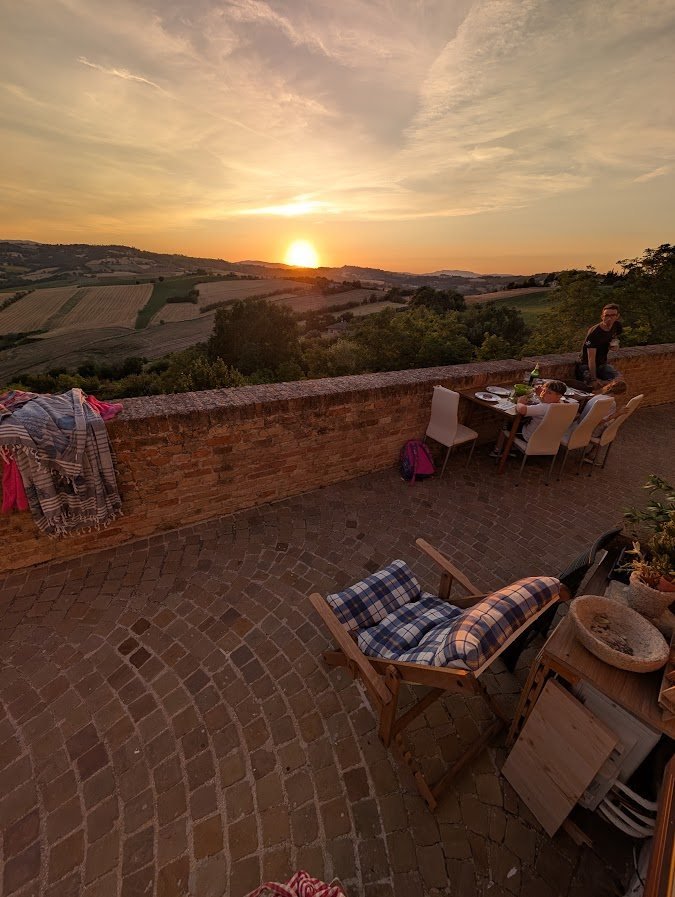
The people
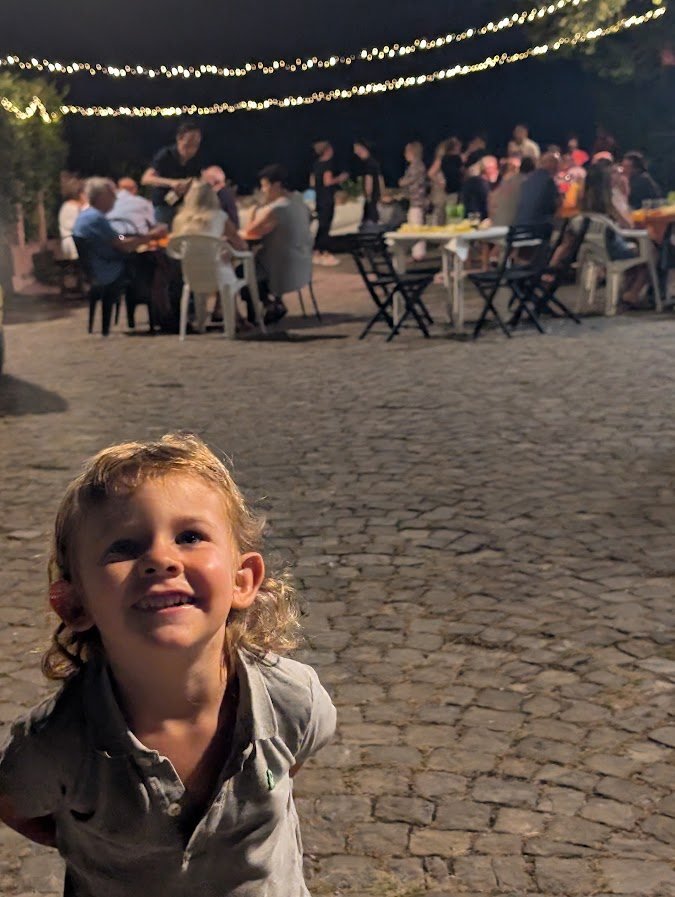
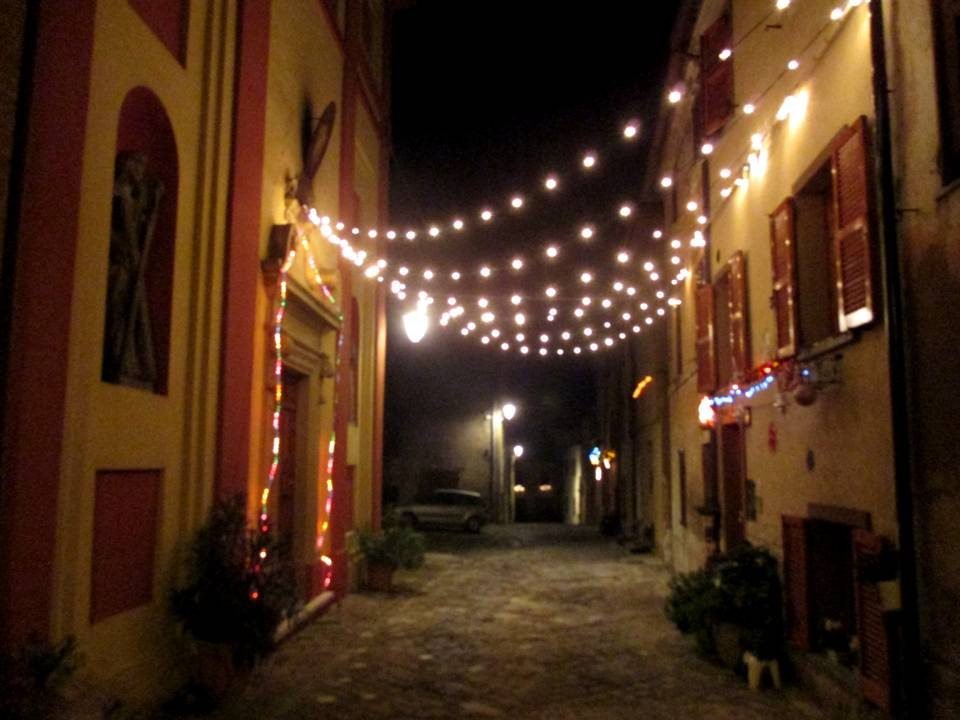
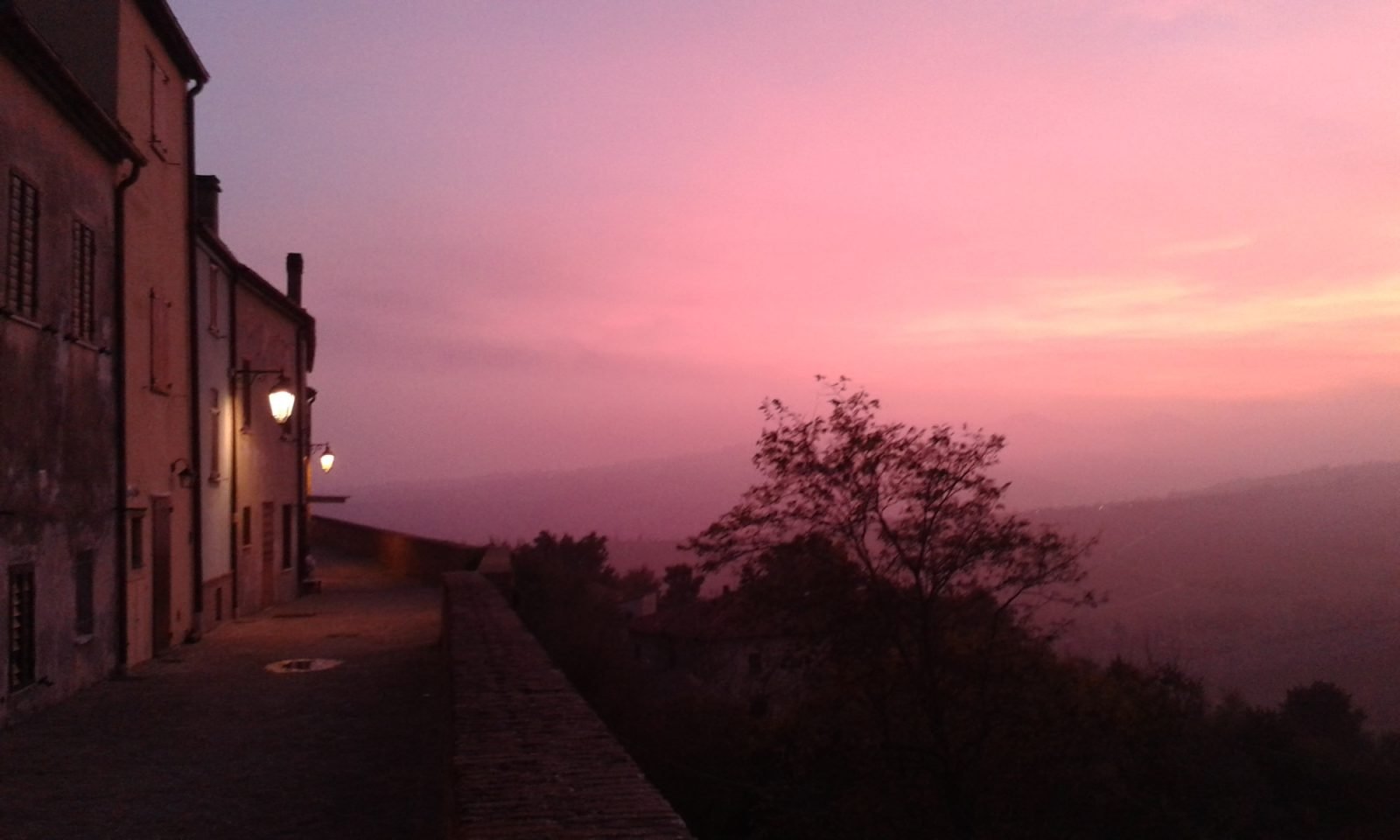
Everyone knows everyone here. In summer people dine outdoors along the walls watching the sunset, and chat in the square in the evening; visitors are welcomed like family.
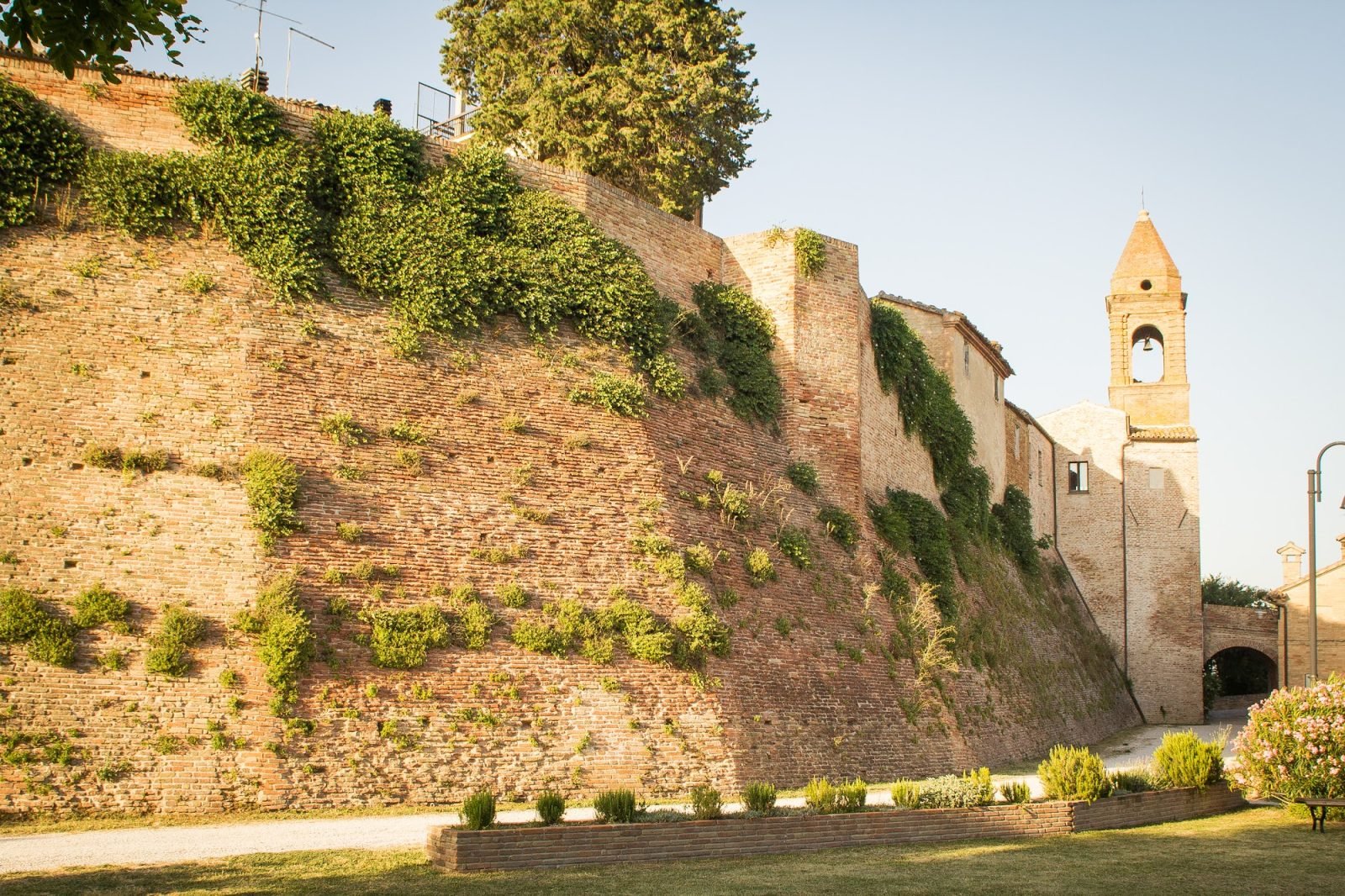
Marche · Cesano valley
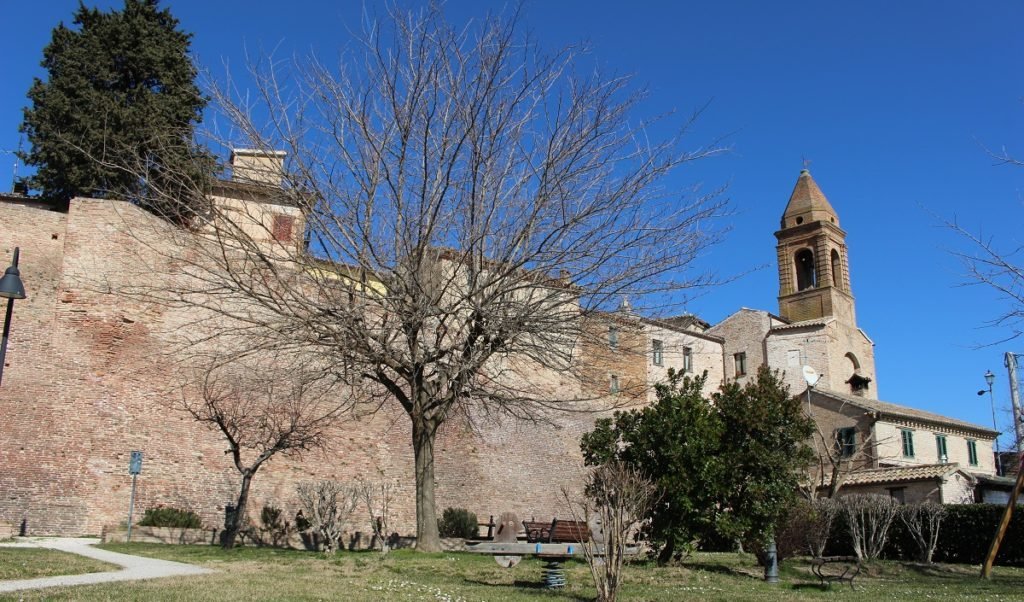
A village enclosed by a ring of walls that is still intact, with a single entrance arch, on a ridge overlooking the Cesano valley and, on clear days, the Apennines.
The village
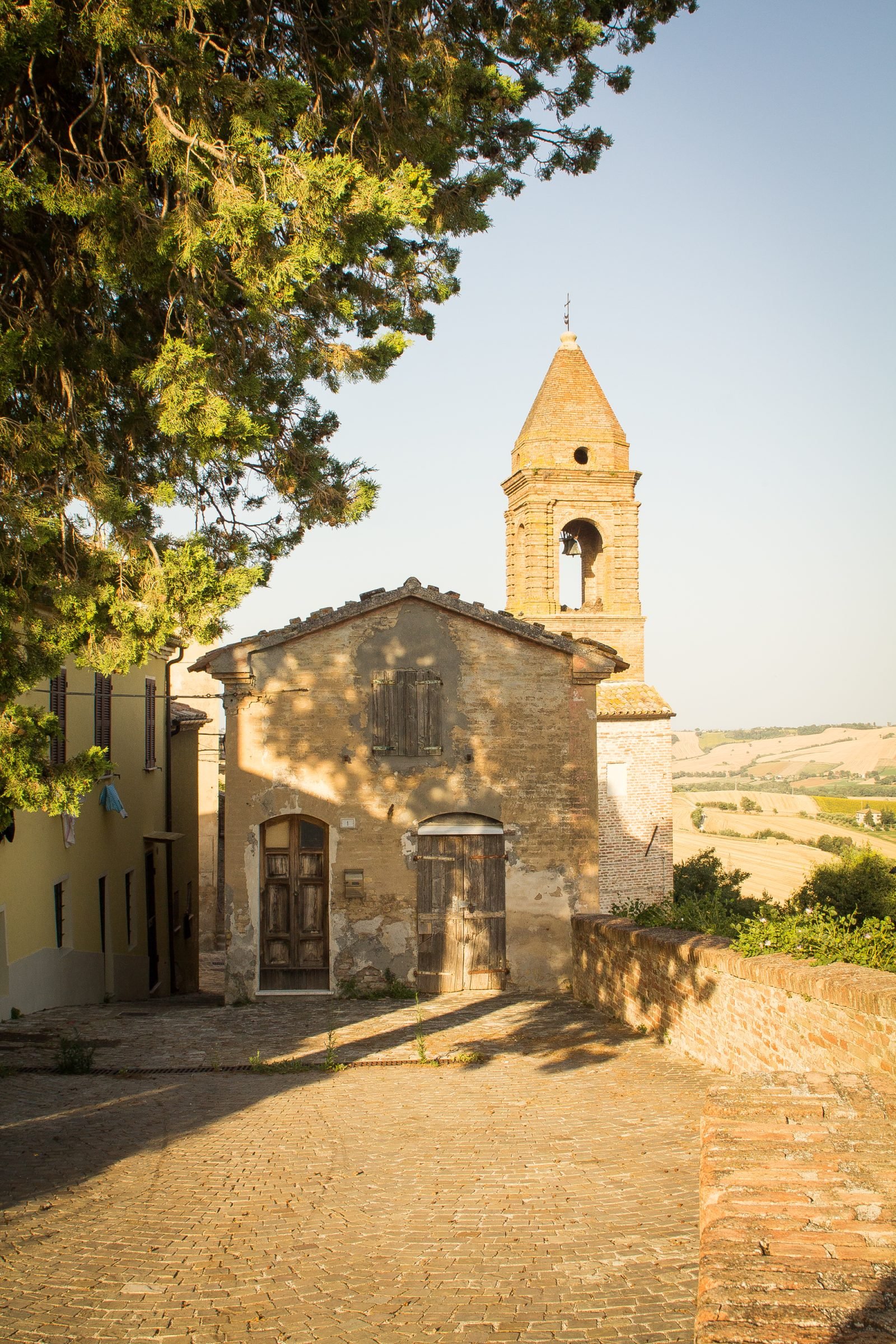
Sant'Andrea di Suasa is a castle-village on the ridge to the left of the Cesano river, 265 metres up and 23 km from the Adriatic coast.
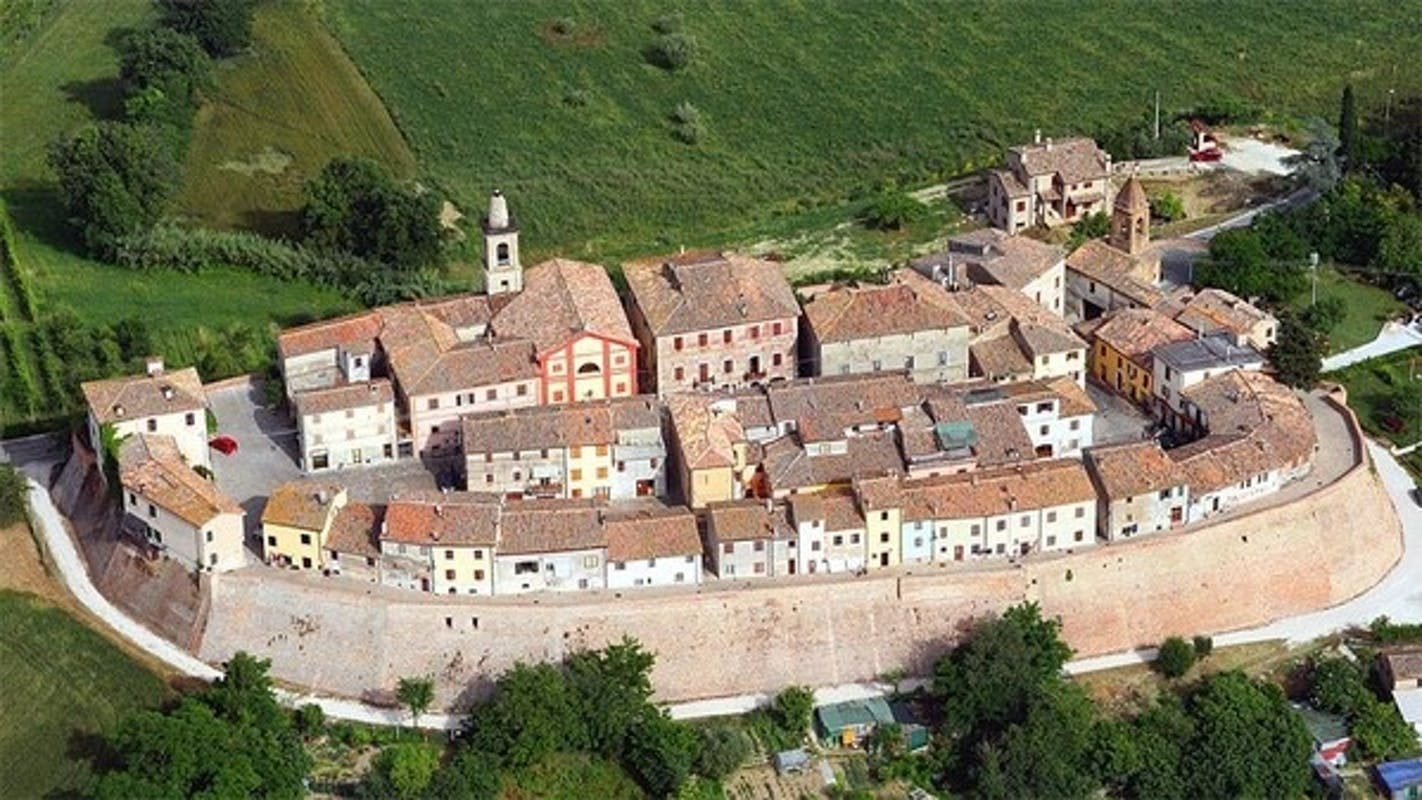
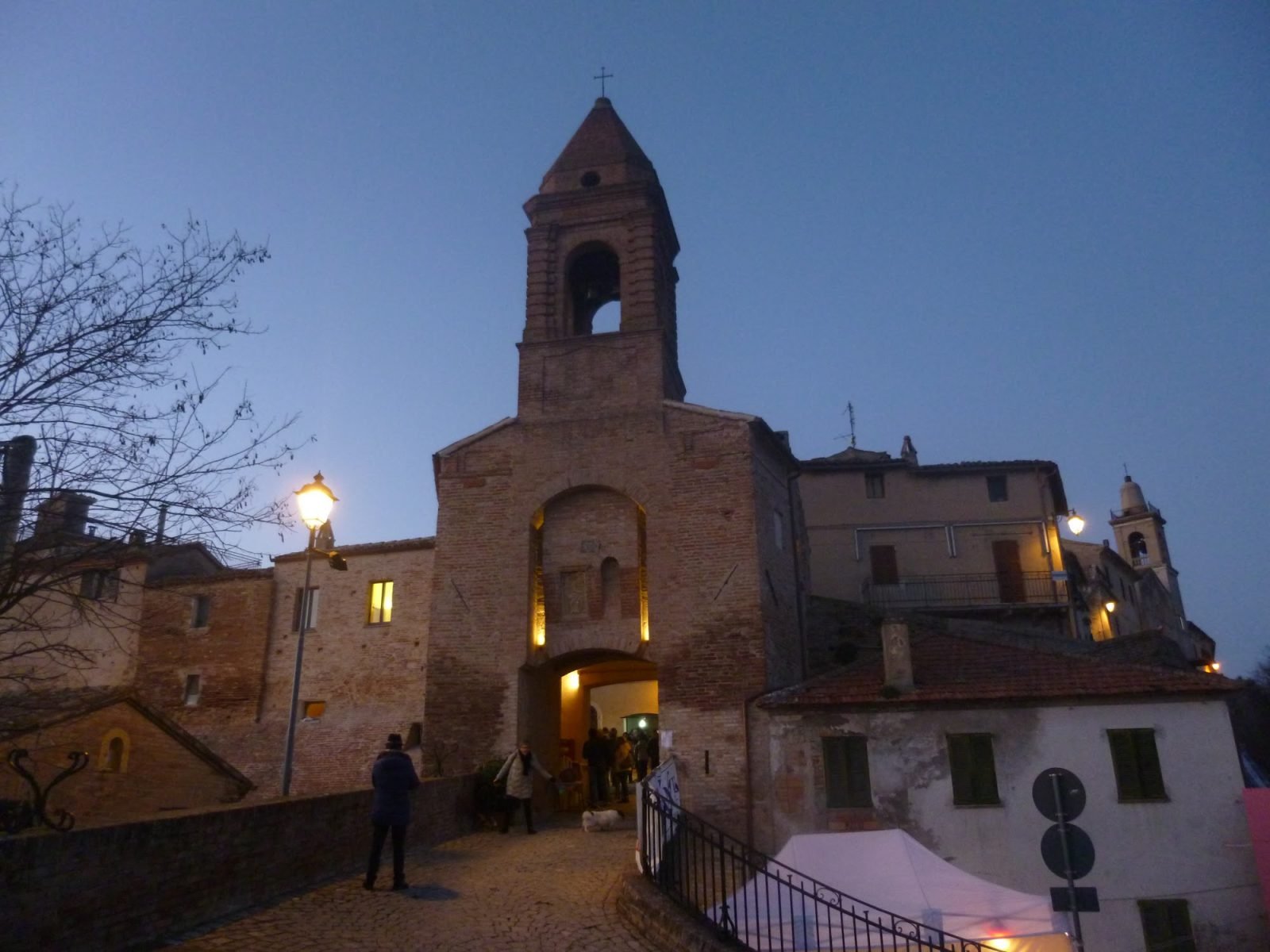
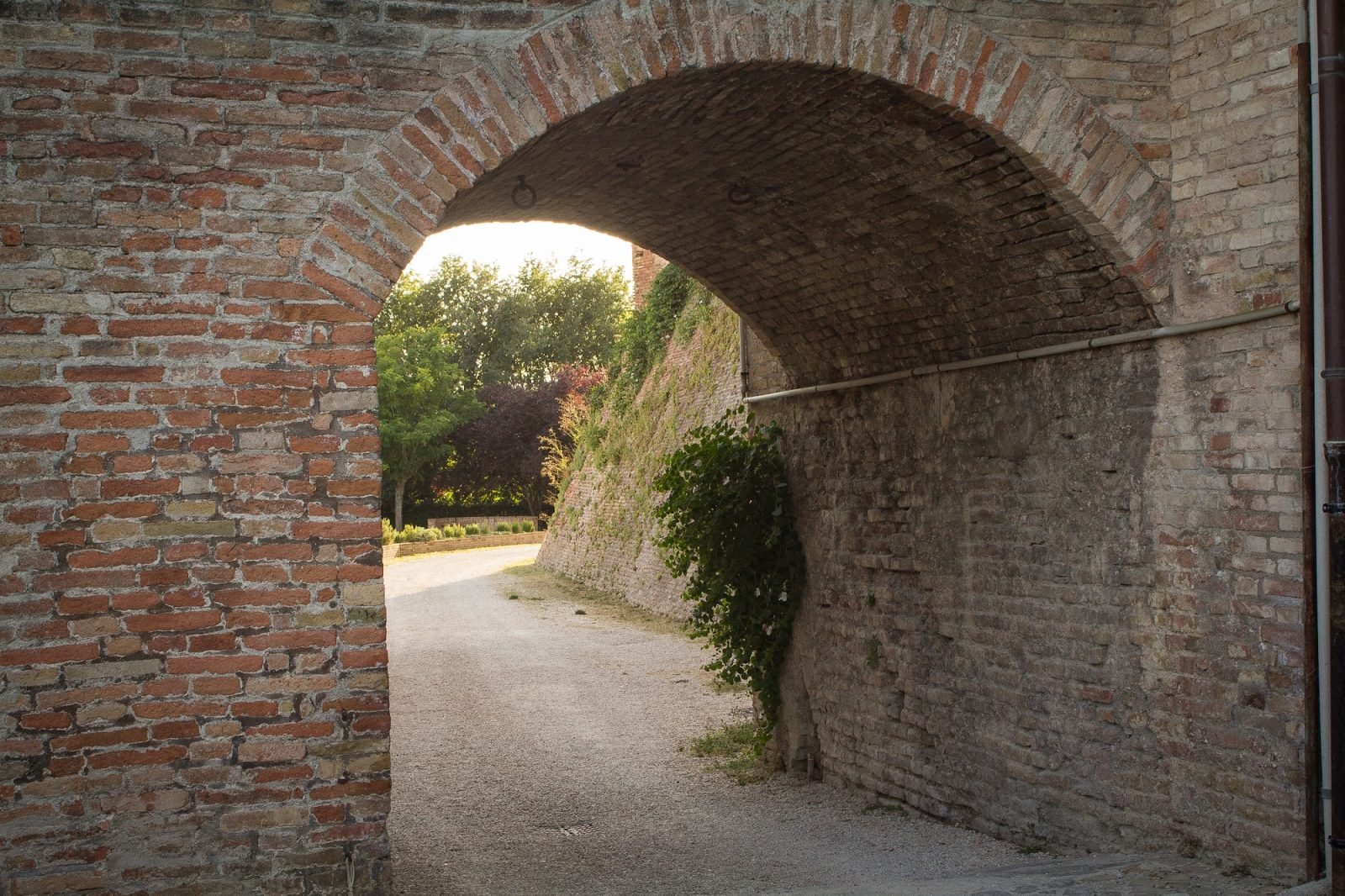
The village is known for its mighty ring of walls, still intact, with a single entrance arch. Inside the walls stands the parish church of Sant'Andrea; all around are hills of vineyards and wheat, and the historic towns of the valley: Mondavio, Corinaldo, Pergola, Mondolfo.
The land gives Frattula salami, the Suasa onion and several DOC wines. The municipality of Mondavio, which the village belongs to, holds the Touring Club Italiano's Orange Flag.
Sources: Wikipedia, e-borghi, museionline. Account by M. S., a resident, in a Google Maps review.
History
The name recalls Suasa, a town perhaps of Greek or Etruscan origin, later of the Senones Gauls and finally a Roman municipium, on the Cesano plain. When Alaric, king of the Visigoths, destroyed it in 409, its people climbed the hills and founded fortified villages: Sant'Andrea and Castellone still keep the name “di Suasa” in honour of the town they came from.
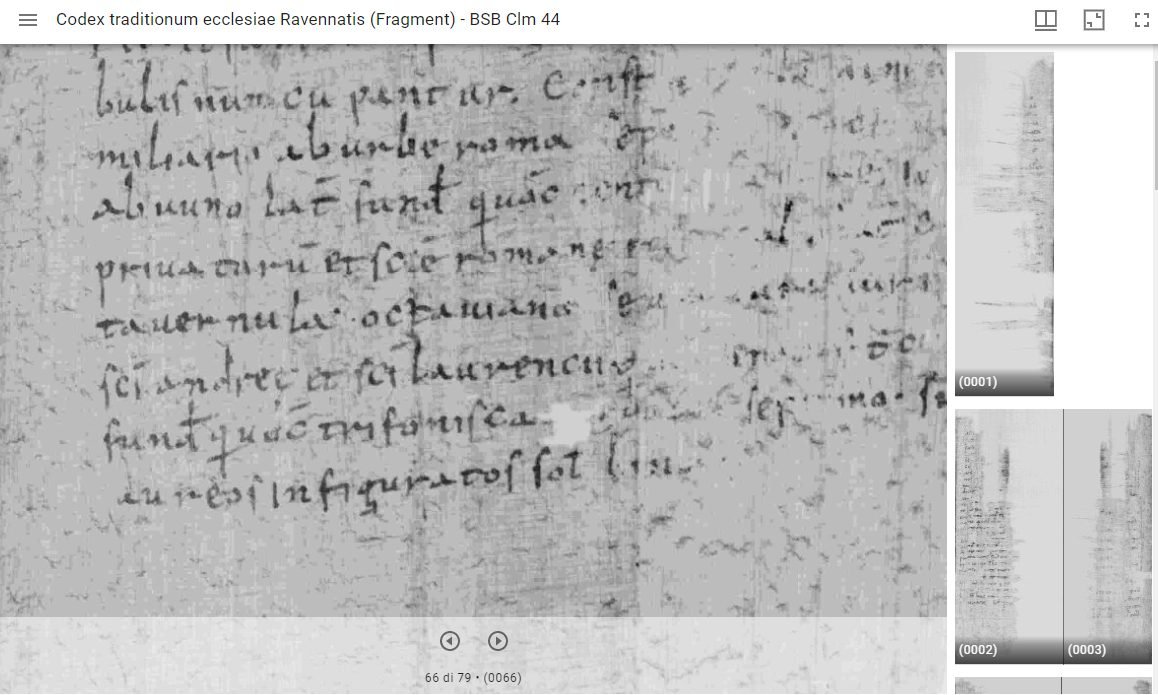
It was the Benedictine monks, founders of the nearby abbey of San Lorenzo in Campo, who drained and farmed the valley. The monastery of S. Andrea already appears in the 9th century in the Codex Bavarus; the Castrum Sancti Andreae arose in the second half of the 10th century, and around 1100 the monks built the walls.
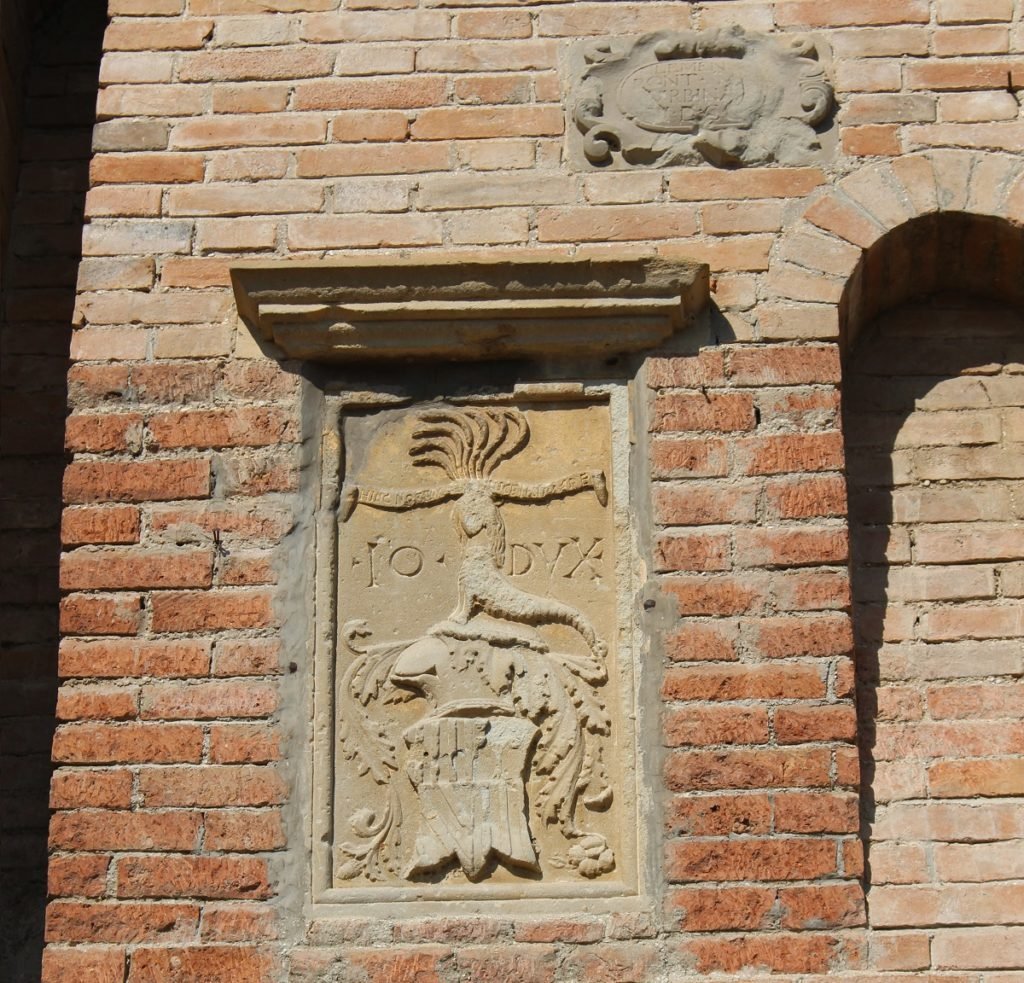
Then came the centuries of the lords: the Malatesta, the Della Rovere, Cesare Borgia, the Papal States. The castle changed hands many times, but the monks' walls stayed. In 1869 the municipality was merged into Mondavio; the village has kept its shape, an oval of houses closed by the walls with a single entrance arch.
Those born here tell the rest: Sant’Andrea was long a free commune, first led by a Prior, as a Benedictine centre linked to San Lorenzo in Campo, then by a lay mayor. With the unification of Italy it was merged into Mondavio; the village fought a long appeal to the government, cut short by the First World War. Since then it has been a hamlet, which explains the reviews that find it “empty”.
Sources: Wikipedia, museionline.
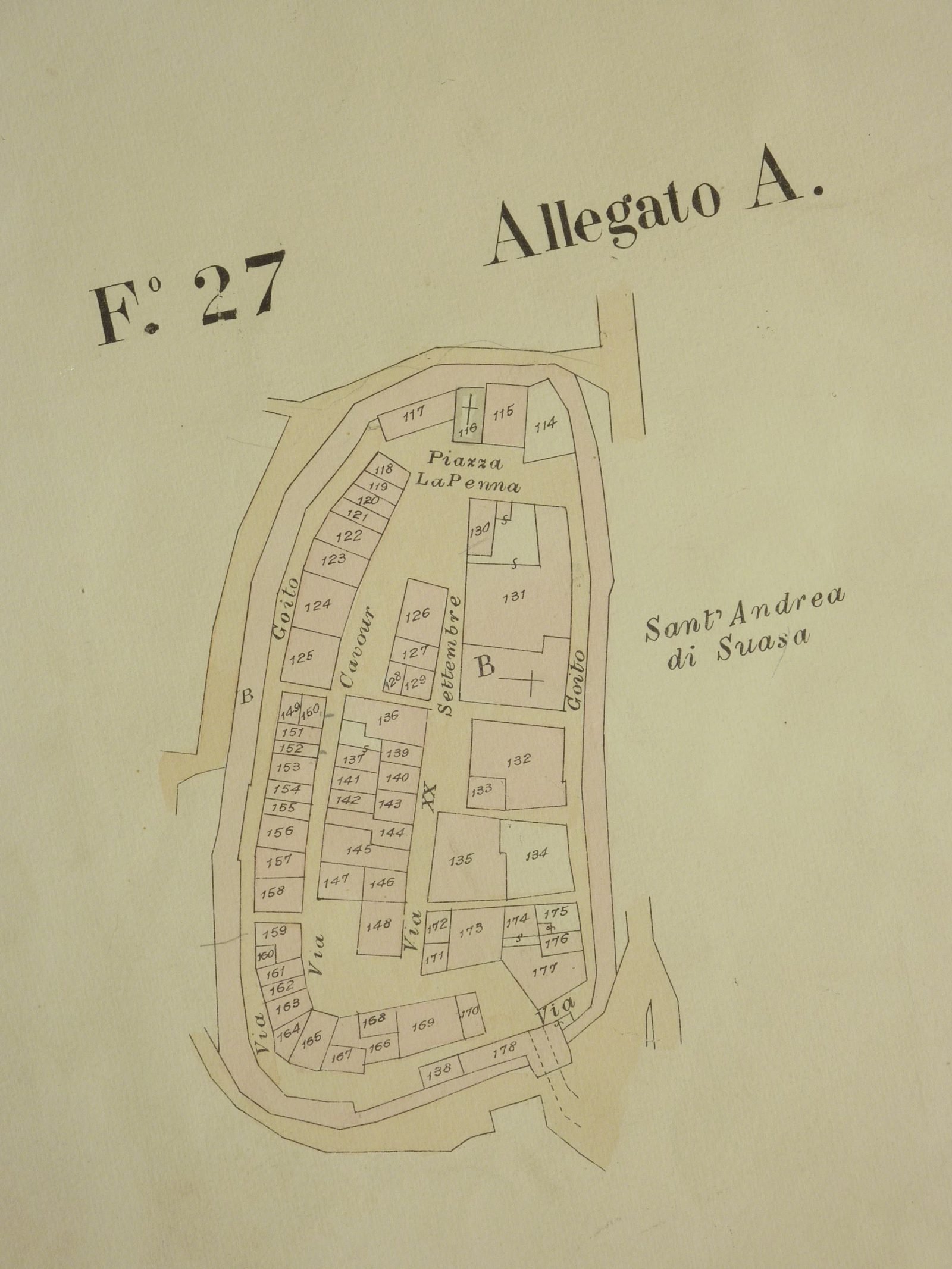
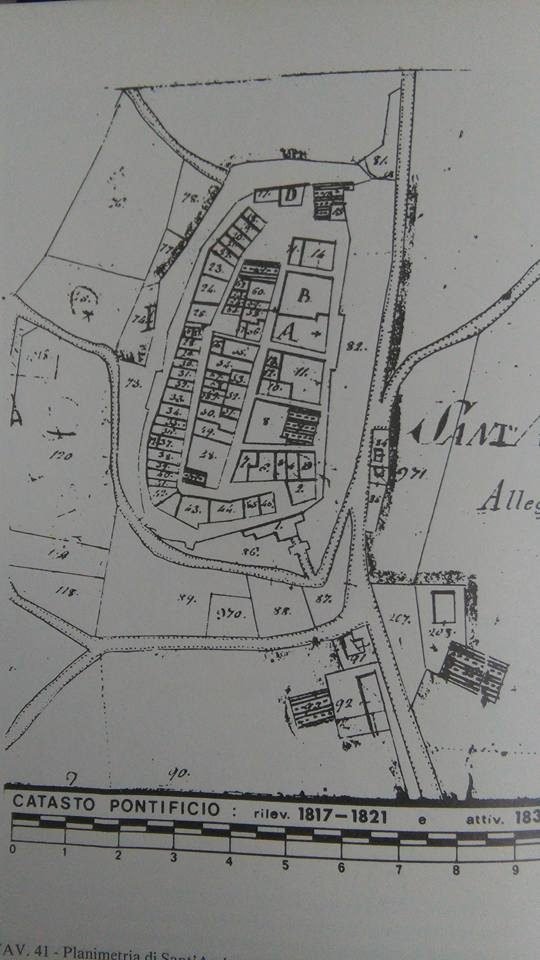
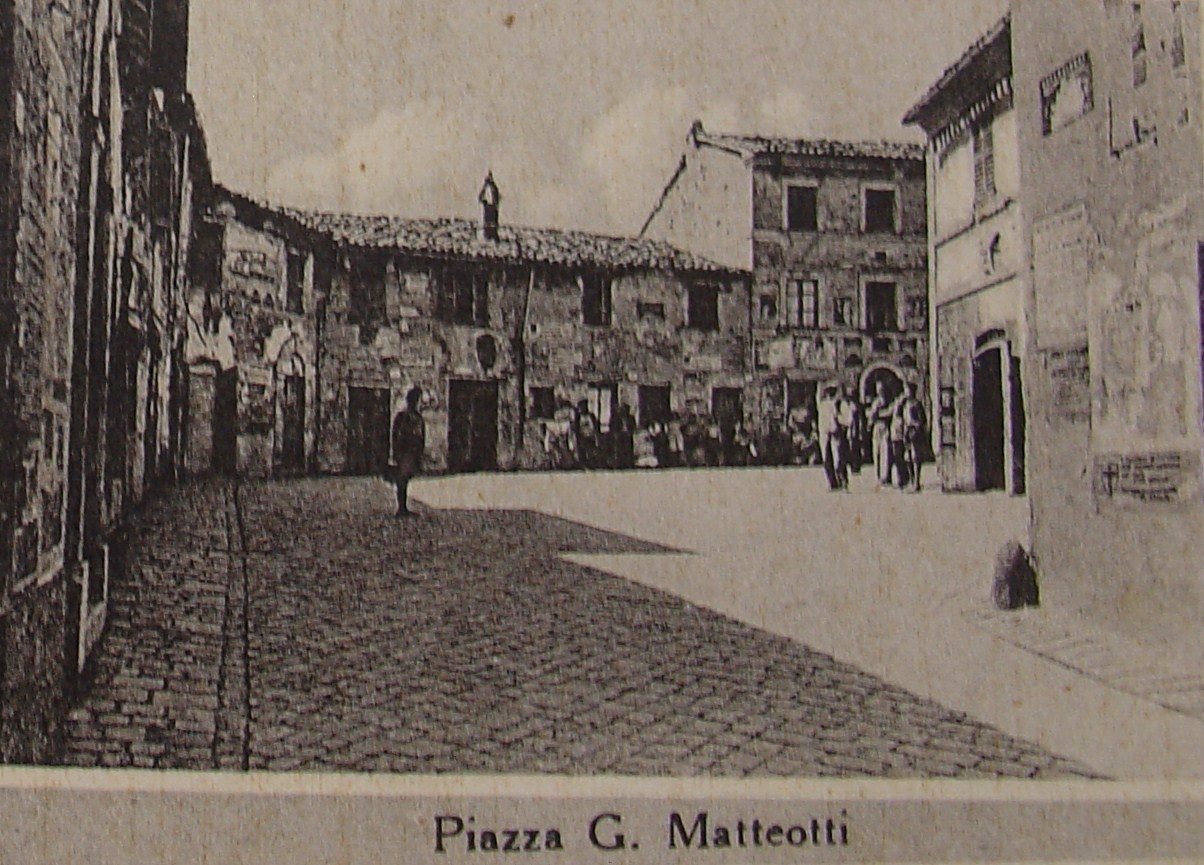
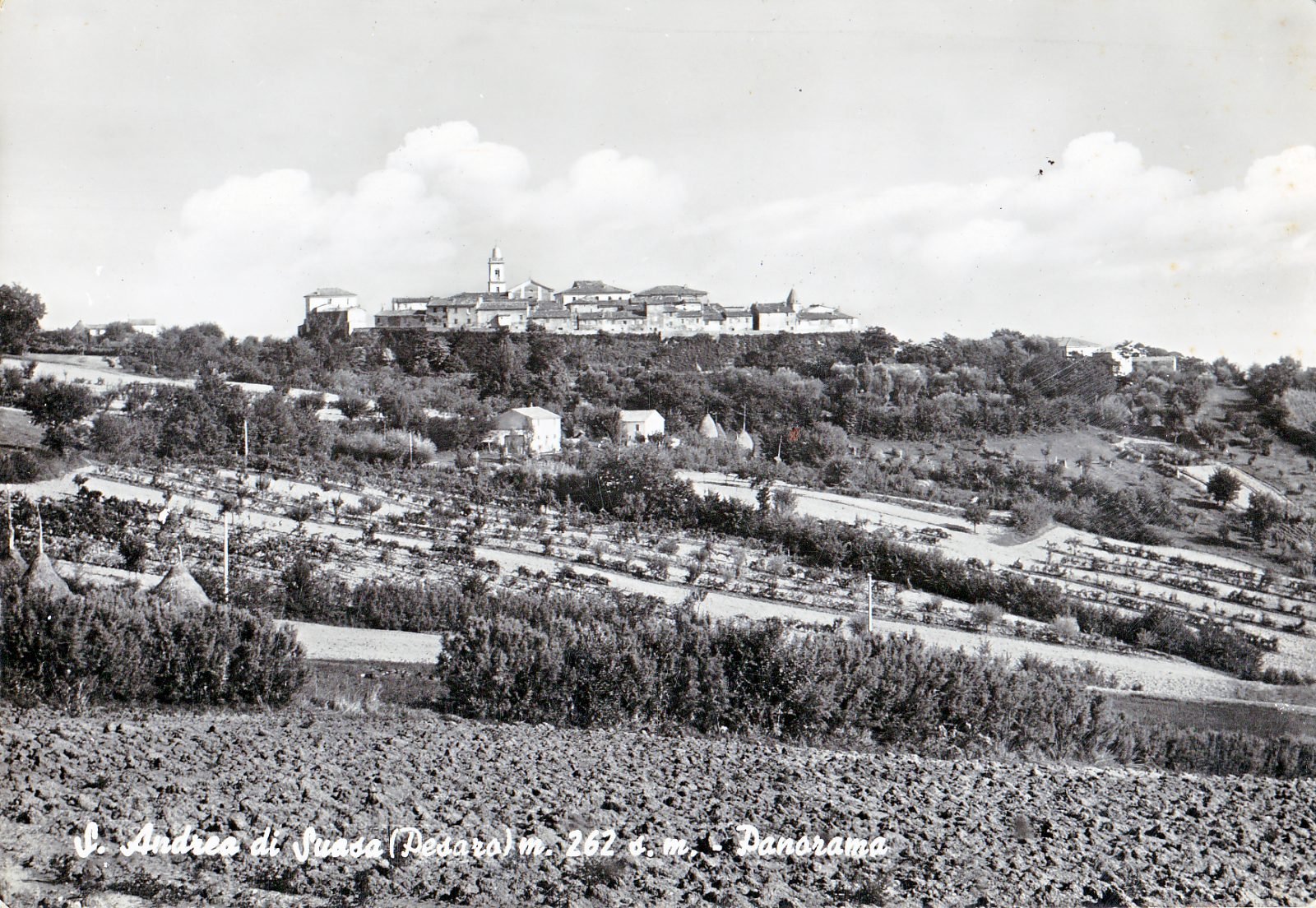
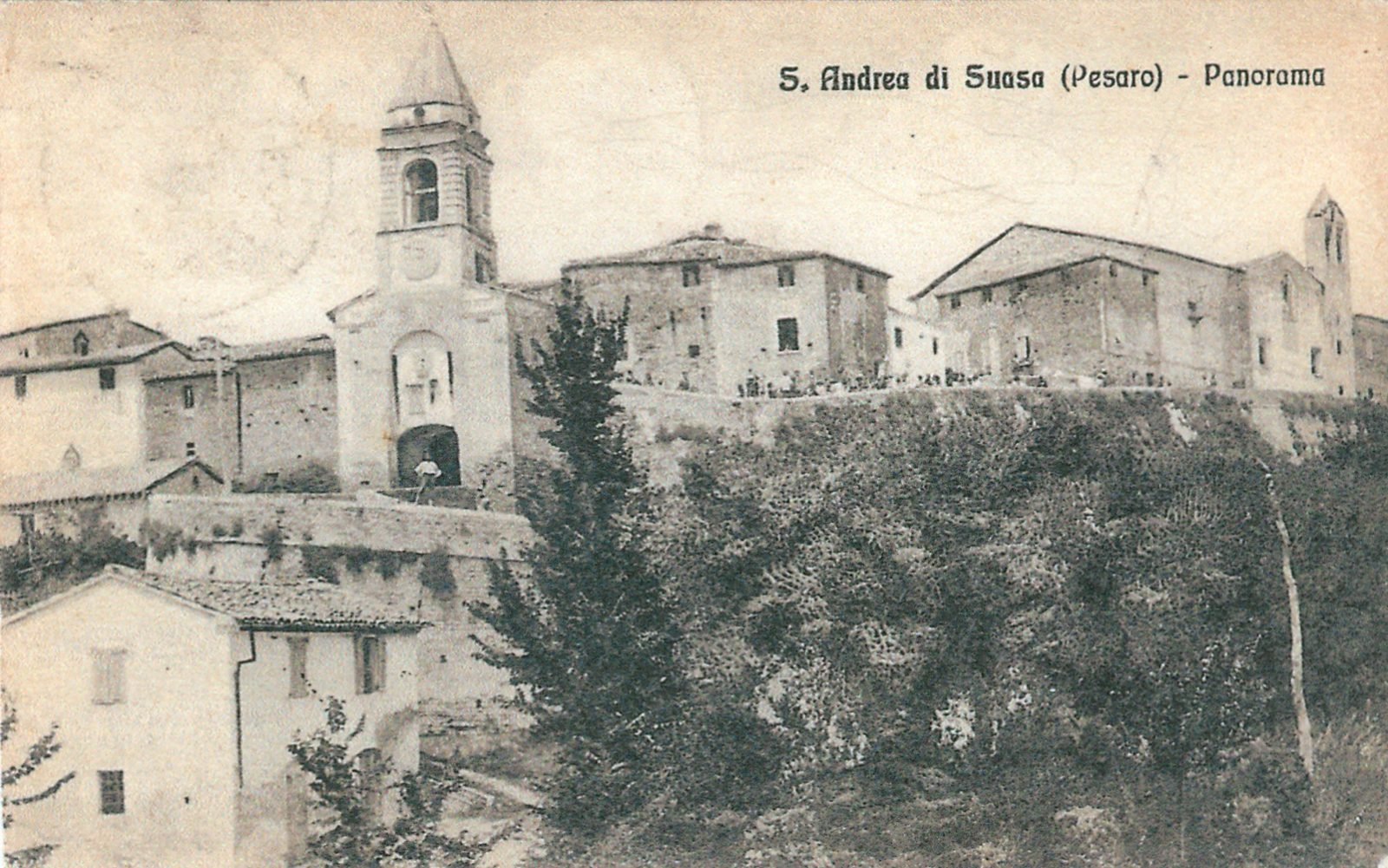
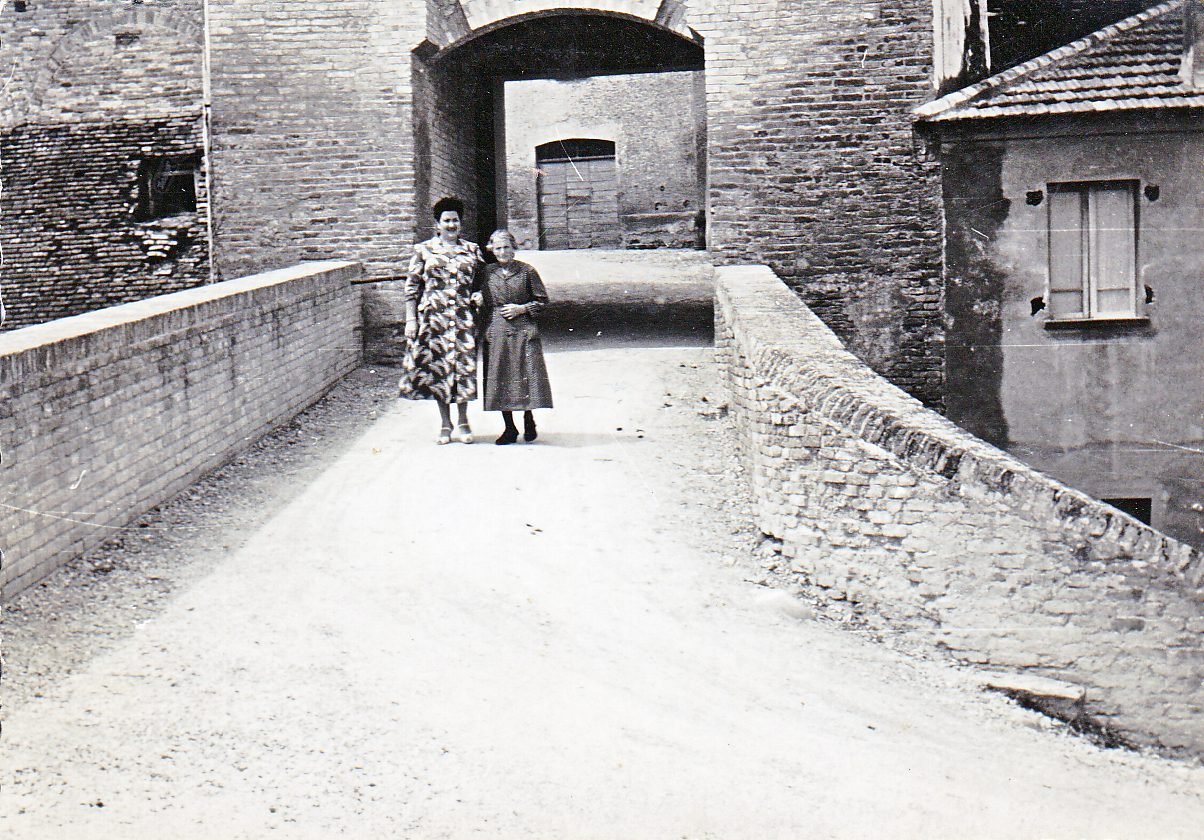
Historic plans show the village as it still looks today: an oval of houses closed by the walls, with its single gate.
Events
Every January the village fills up: music in the lanes, fires lit in the square, the procession, long tables under the tents. The Festa del Nino, dedicated to the pig and the traditional cured meats of the Marche, reached its twenty-first edition in 2024.
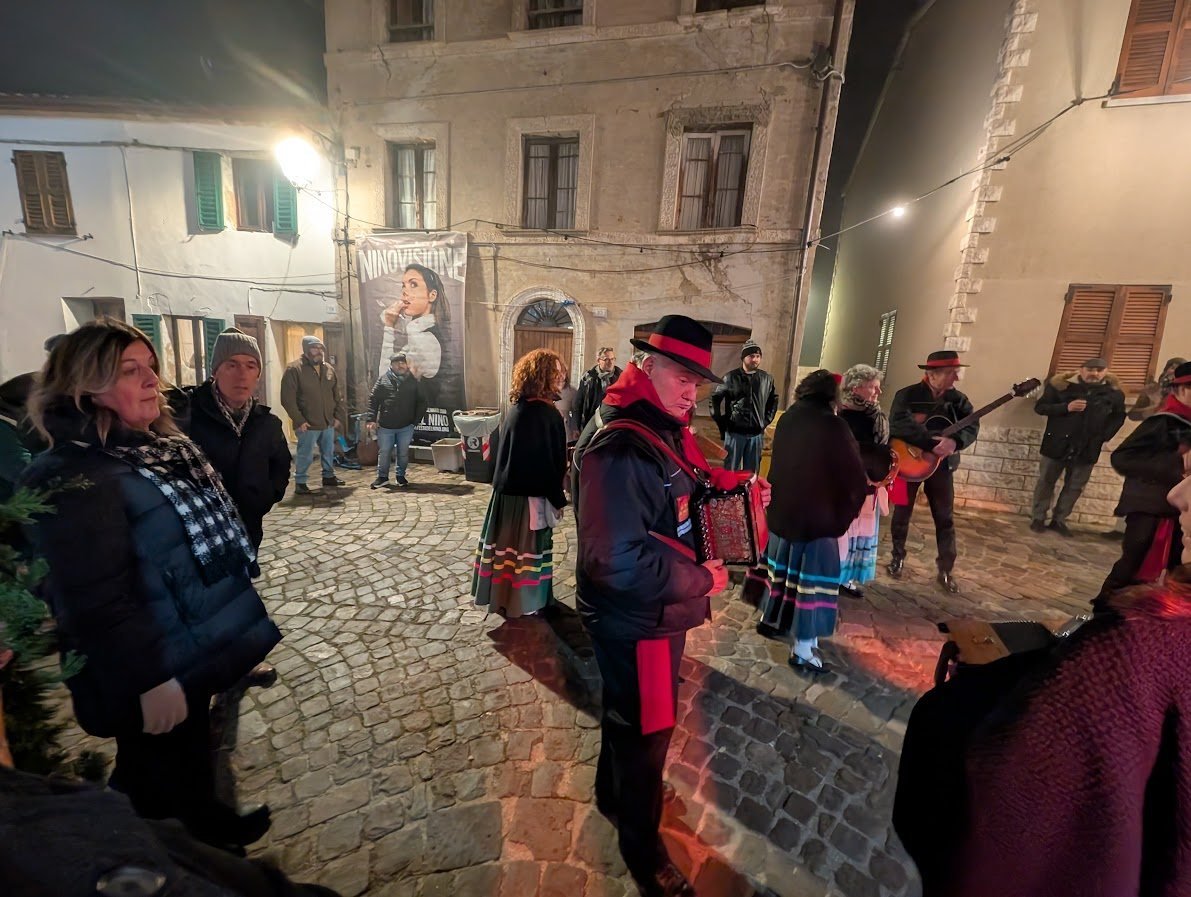
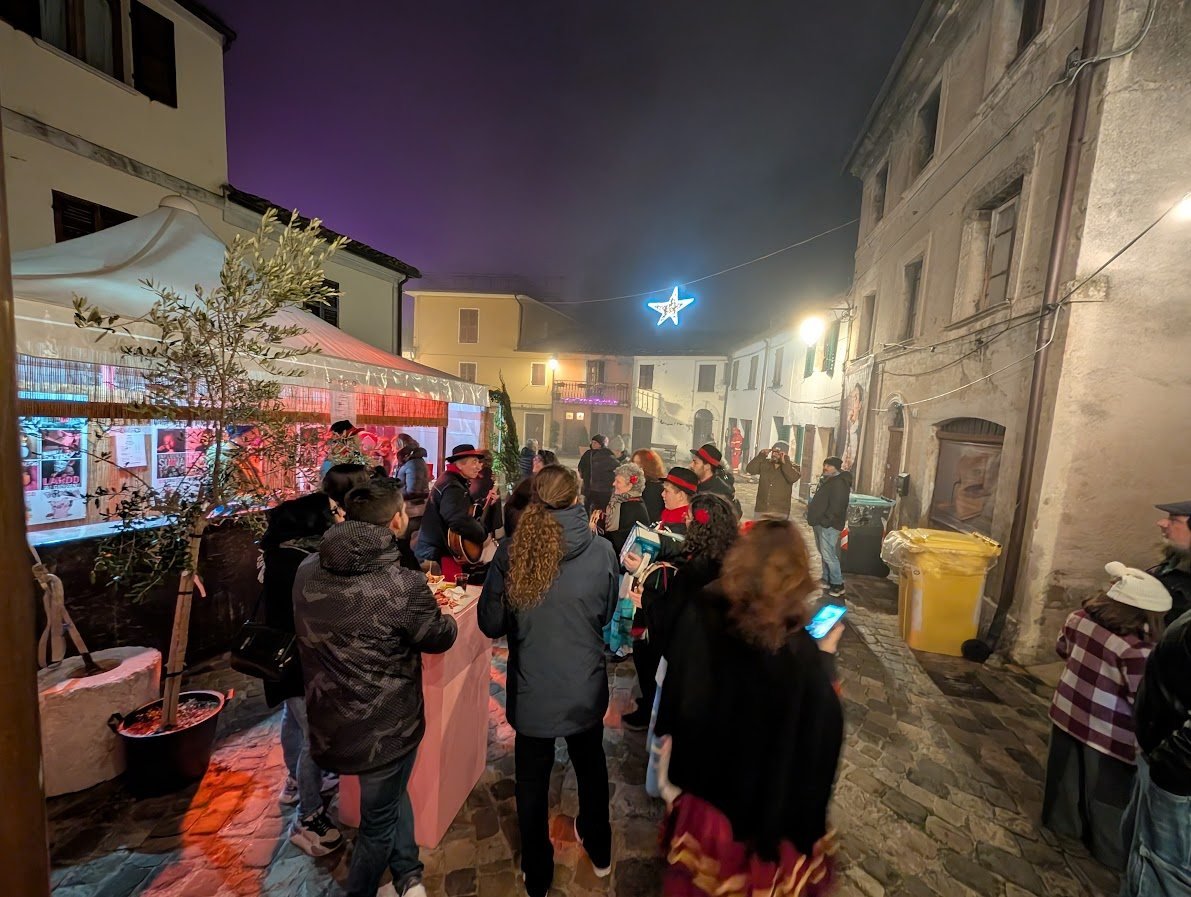
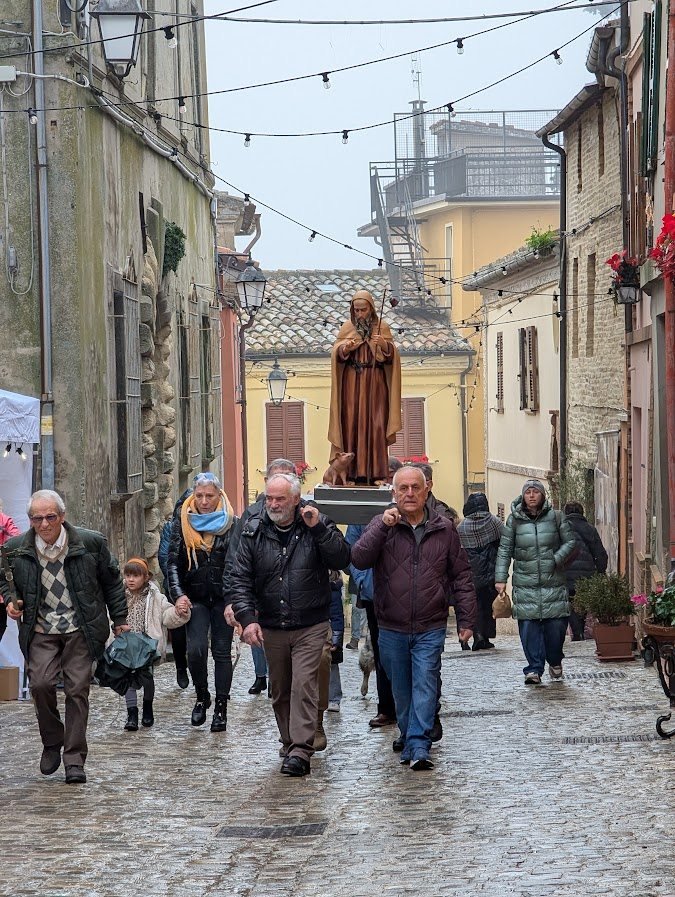
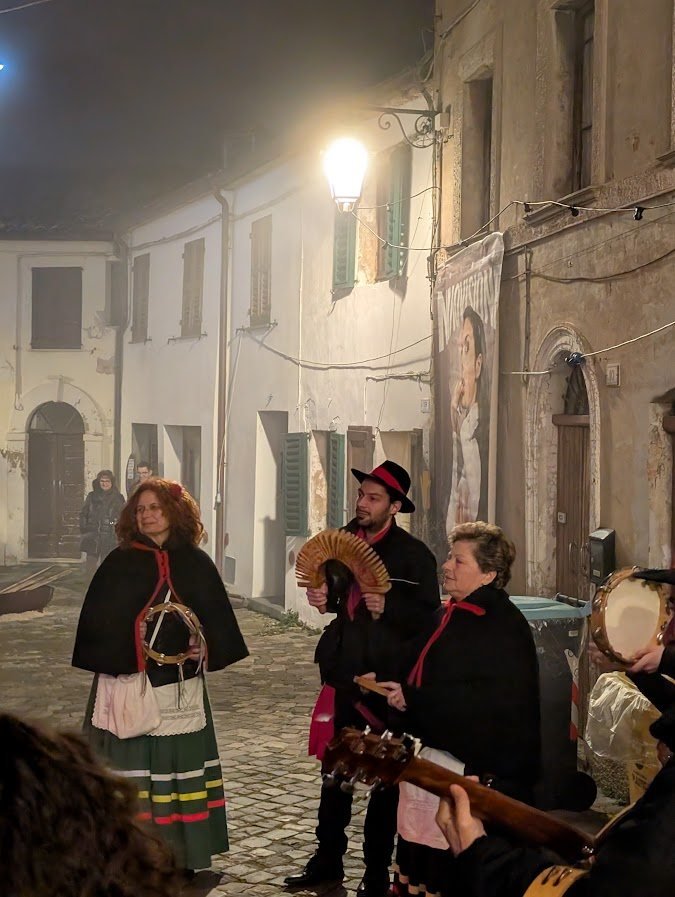
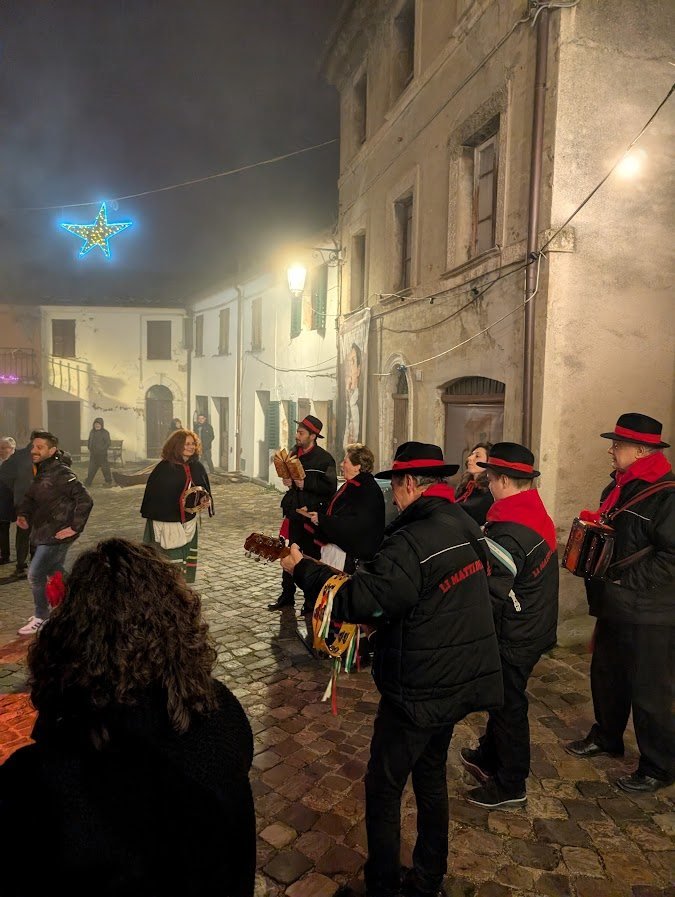
Photos of the 2026 Festa: James Conrad Baker
Every January
Around the feast of St Anthony the Abbot, patron of animals, Sant'Andrea di Suasa celebrates the pig and the Marche tradition of pork butchery: a market of local produce, tastings, children's workshops, exhibitions, talks and large heated tents with cured meats, craft beer and wine. It is organised by the Associazione Pro Suasa; the cured meats come from Marche pigs in the short Io Nino supply chain.
Dates and programme of the next edition on the Festa del Nino page and at ionino.it.
Sources: La Festa del Nino, ilturista.info, eventiesagre.it.
The hills
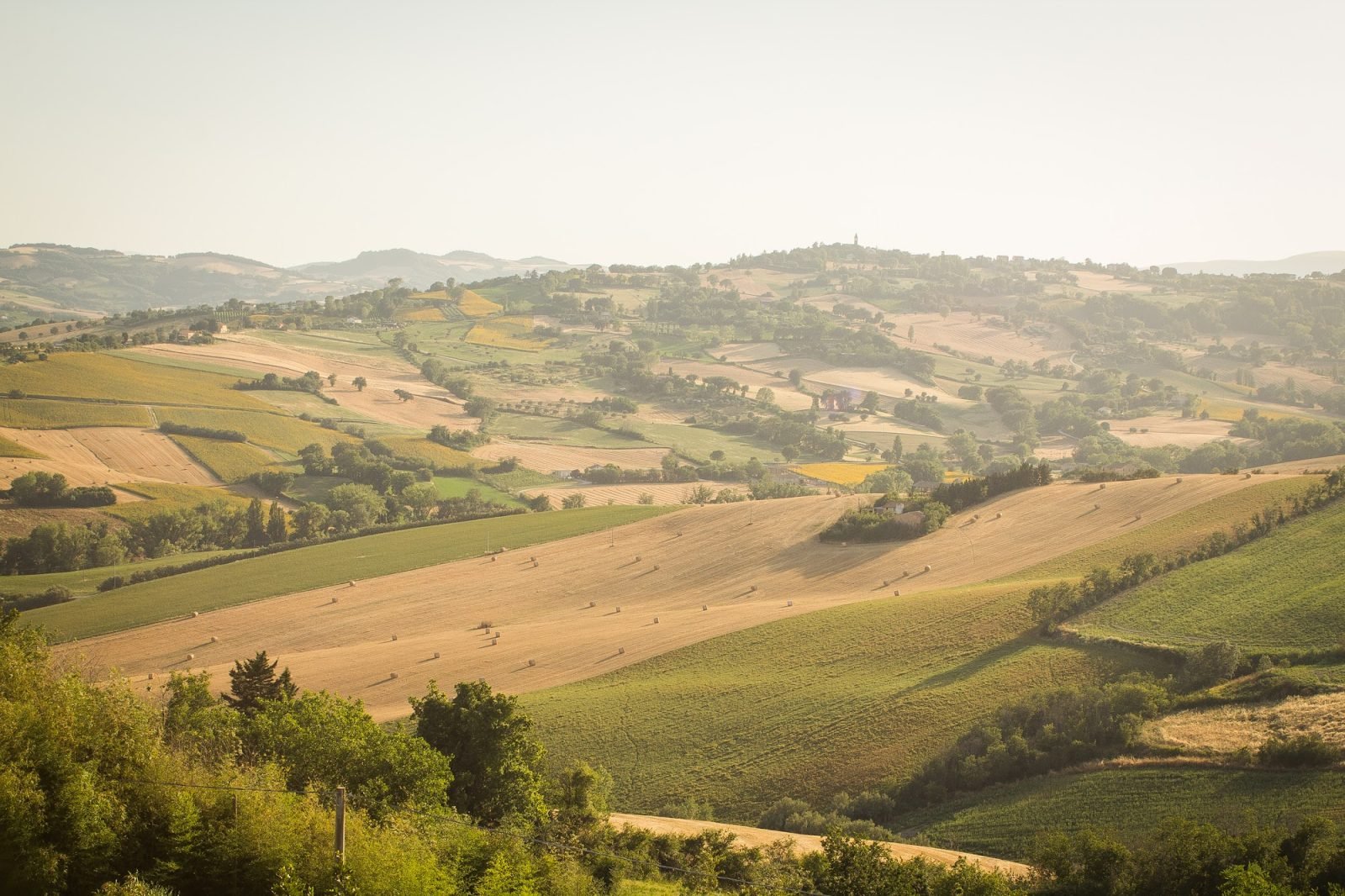
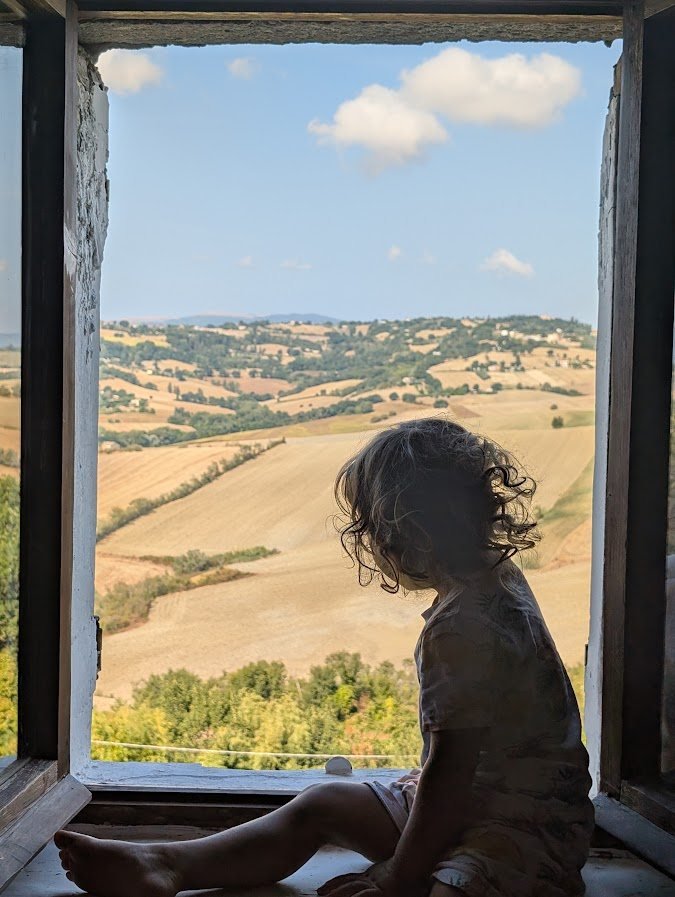
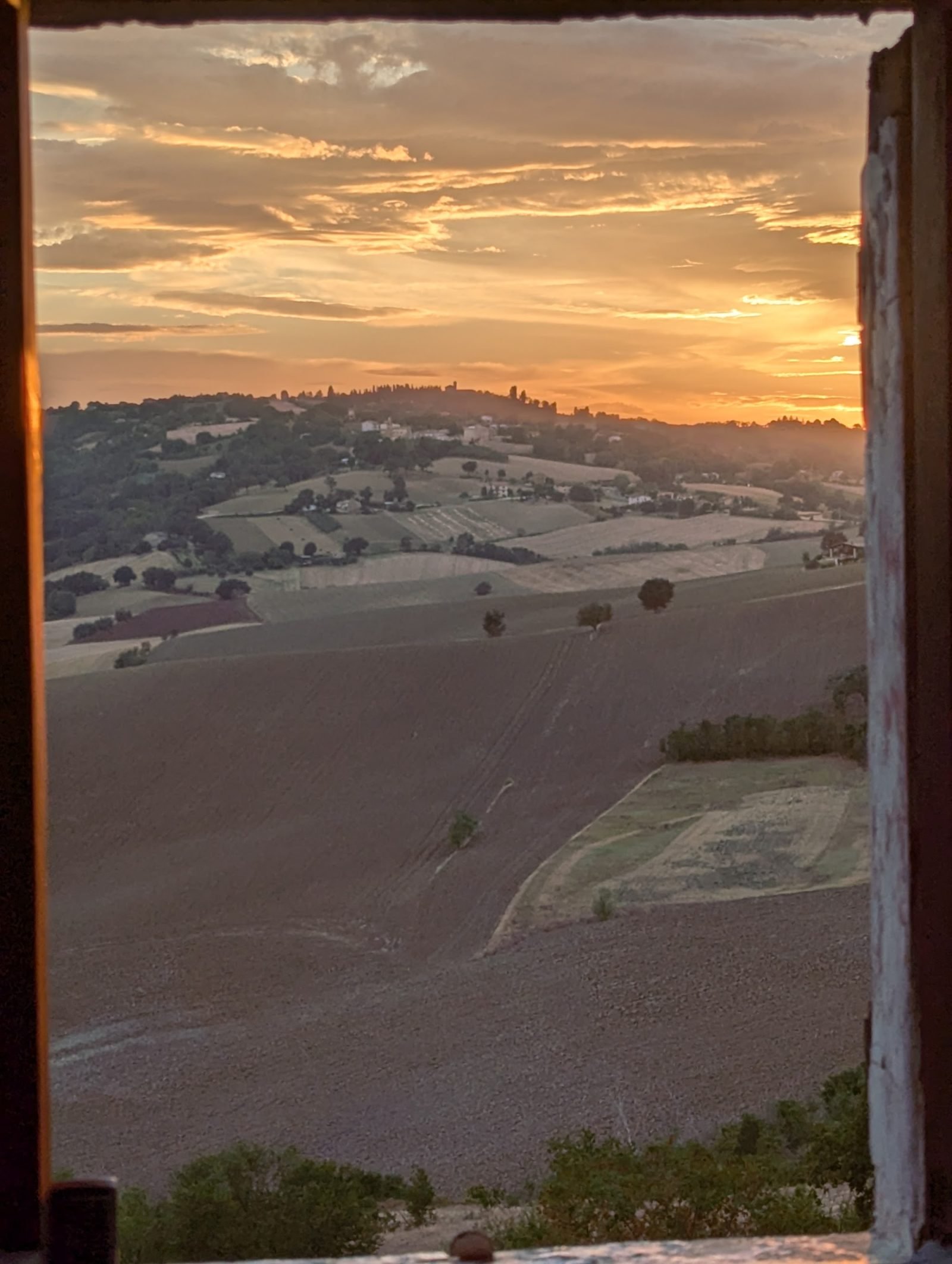
From the walls the eye drops to the Cesano valley and climbs again to the Apennines. The landscape changes colour with the seasons: soft green in spring, the gold of wheat in summer, the red of the vineyards in autumn, fog and lit fireplaces in winter. You cross it on foot, by bike or by car, at an easy pace, along country roads, vine rows and olive groves.
Wine
The hills around Sant'Andrea are vine rows as far as the eye can see. Within an hour's drive you meet some of the best-known appellations of the Marche, often tasted right at the winery, with the people who make the wine.
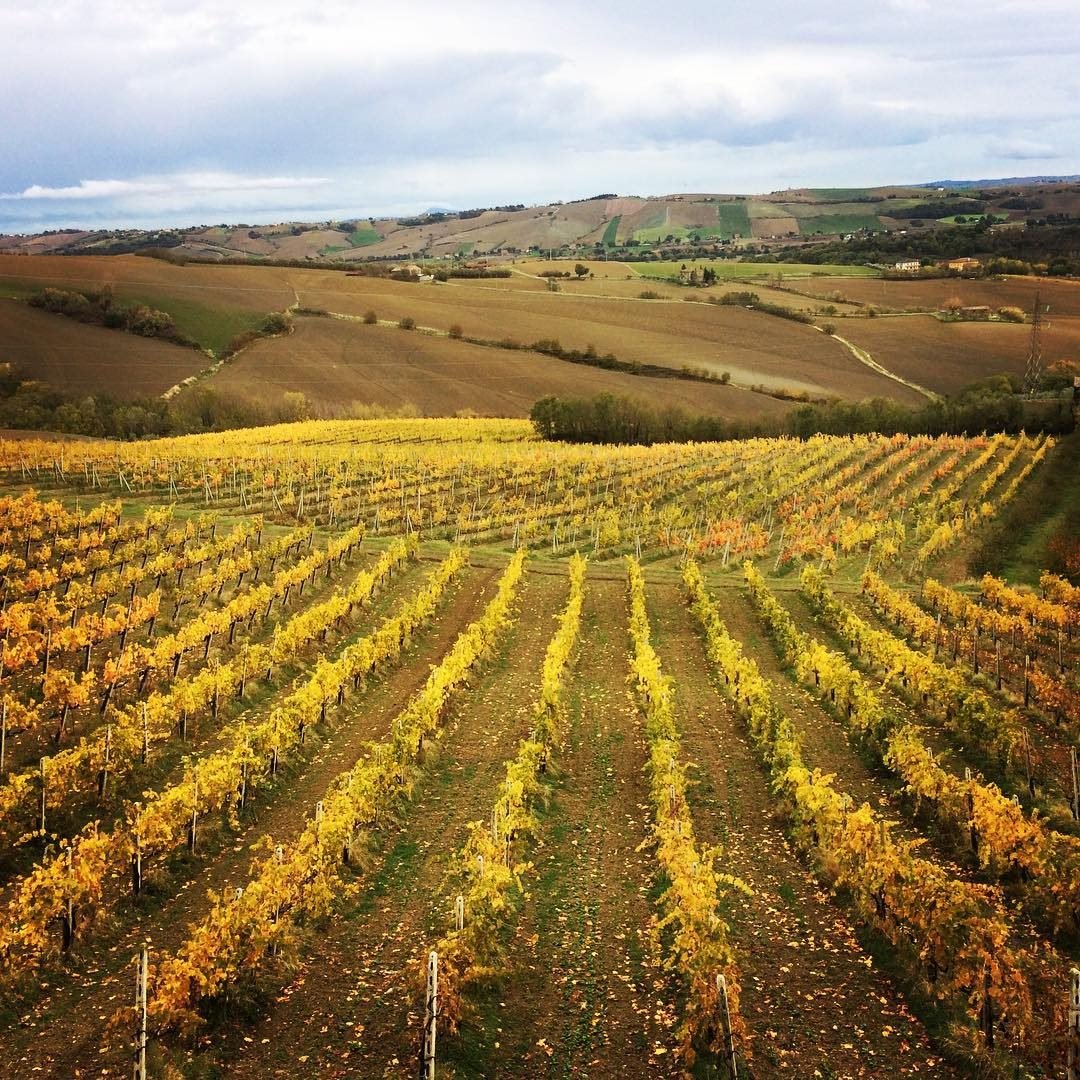
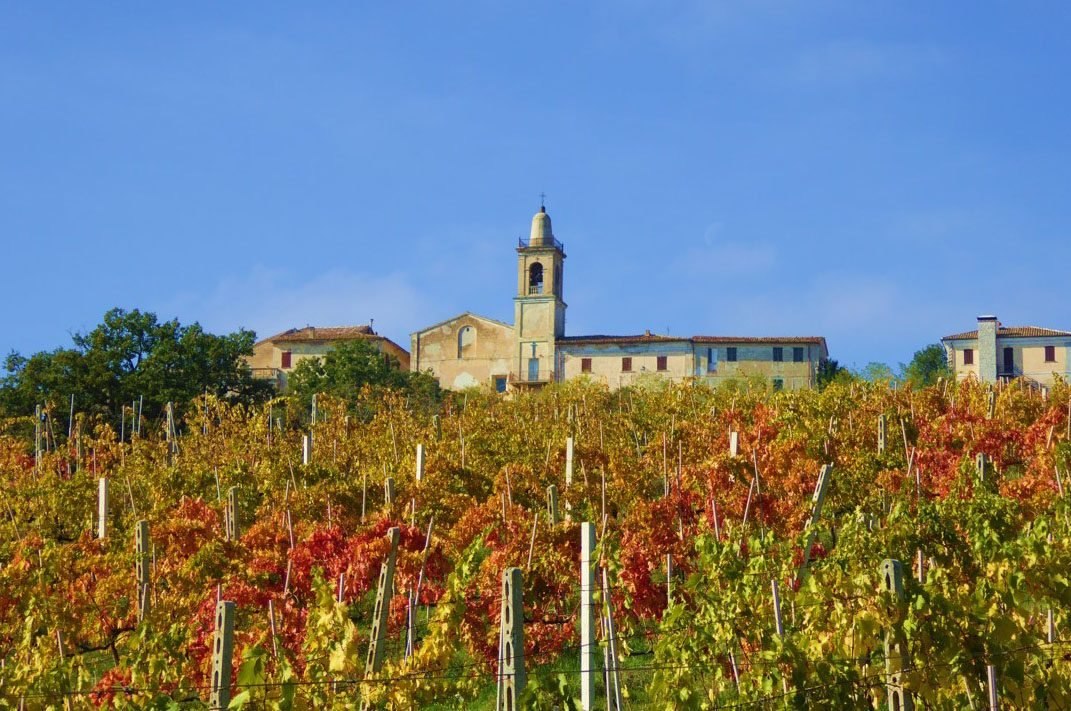
In Fratte Rosa, in the nearby hills, the Avenanti siblings make wine from native grapes and revive old local varieties: Bianchello del Metauro, Aleatico from Pergola, Sangiovese from the Colli Pesaresi. Next to the winery there is a farm stay among the vineyards, where food is cooked in terracotta pots.
Life in Sant'Andrea
Nobody comes here to rush from one sight to the next. You come to sit in the square, hear the village's stories from people born here, eat well and watch the light change over the hills. The sea, when you want it, is half an hour away.
Everyone knows everyone here. In summer people dine outdoors along the walls watching the sunset, and chat in the square in the evening; visitors are welcomed like family.
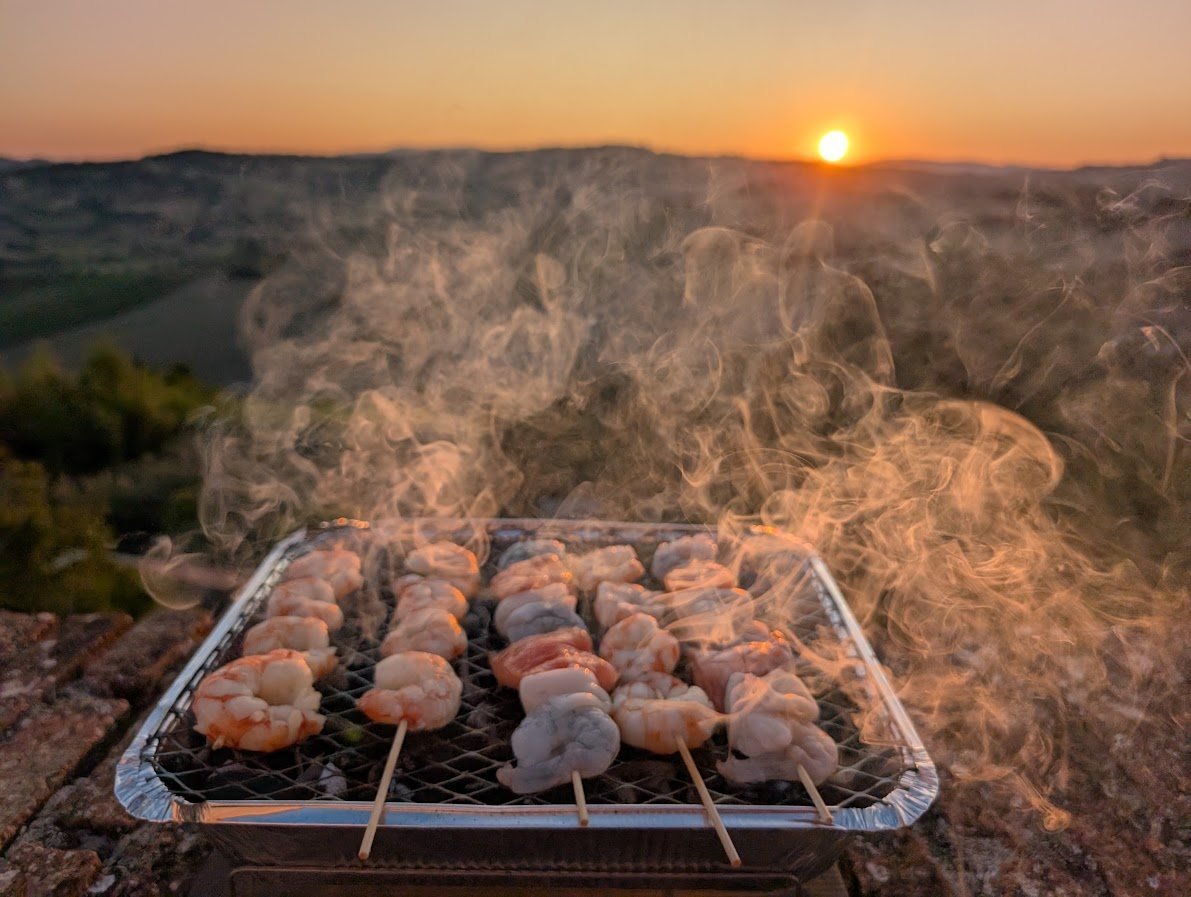
Country cooking from the Marche: local cured meats such as frattula, the Suasa onion, Casciotta d'Urbino PDO cheese and, in autumn, white truffle, the star of the national truffle fair in Pergola every October.
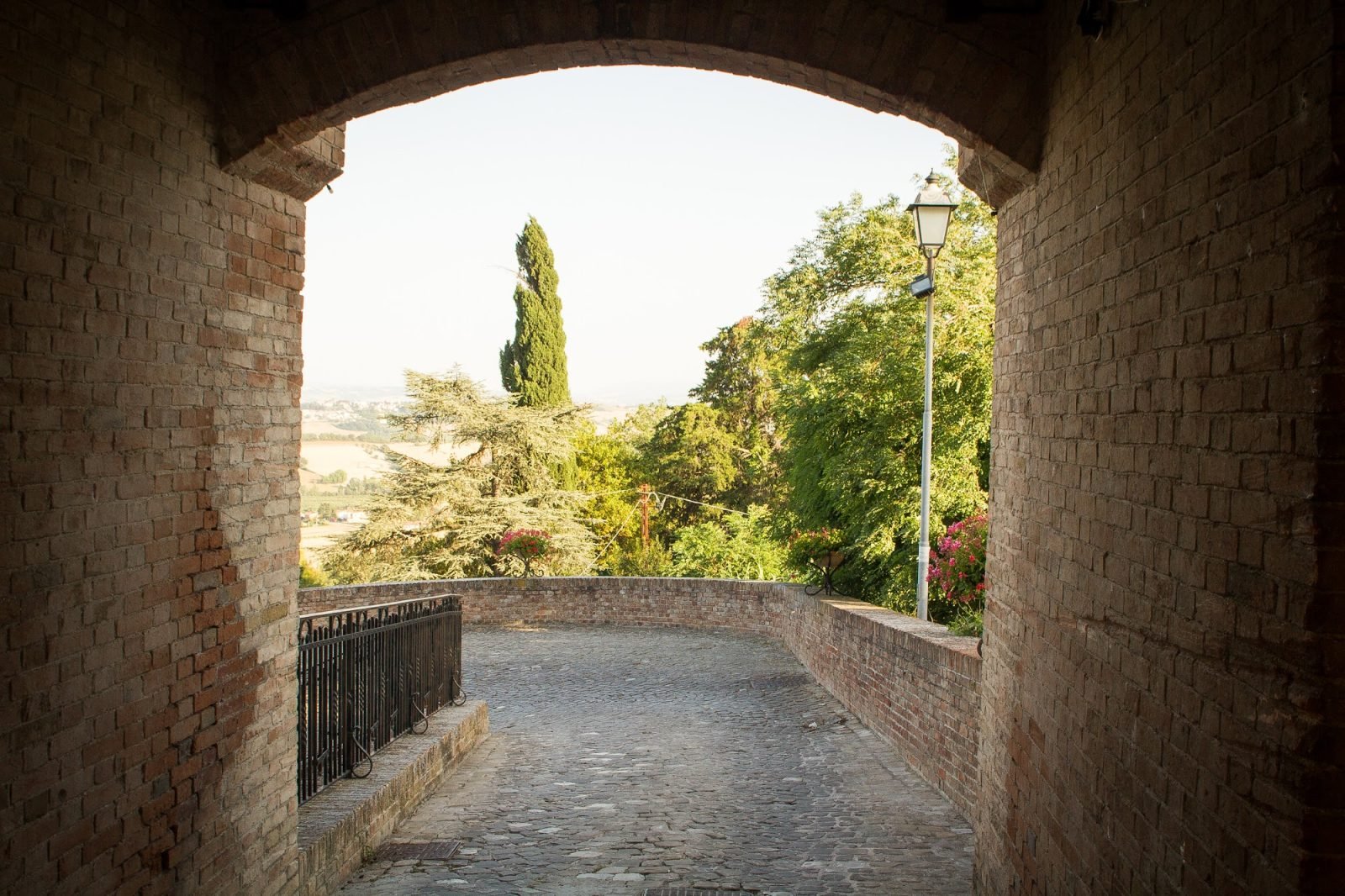
Mondavio and its Rocca Roveresca 4 km away, walled Corinaldo 8 km, Pergola and its Gilded Bronzes 13 km, UNESCO-listed Urbino 27 km. A different medieval village every day.
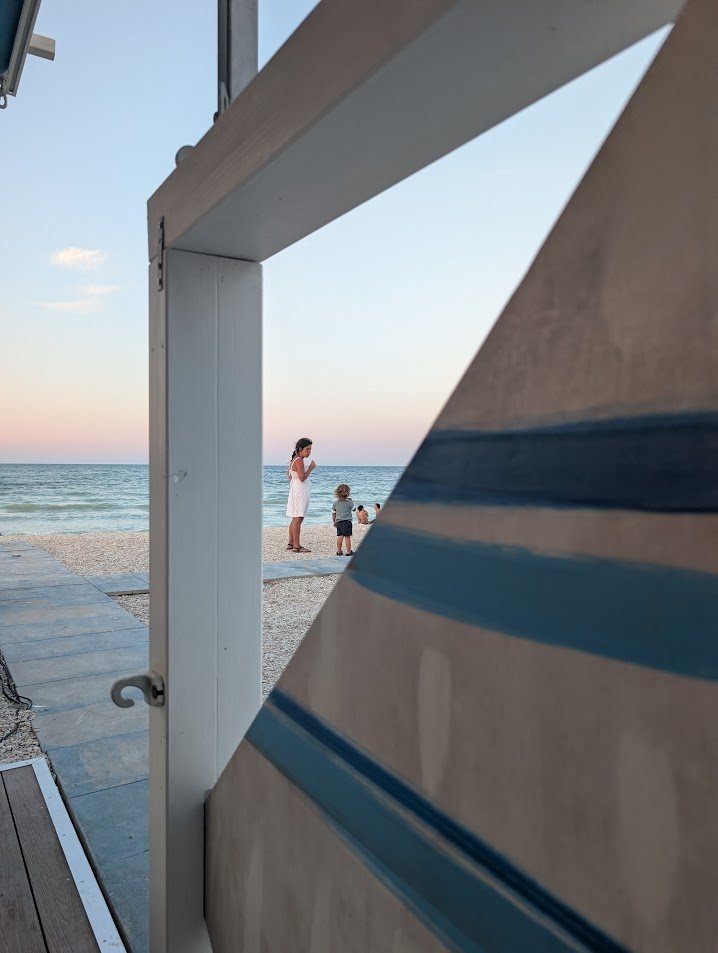
Marotta, Senigallia and Fano are about half an hour by car: at Marotta the beach is pebbly, towards Senigallia it turns sandy. For something truly spectacular, about 40 minutes away, there are Sirolo and Fiorenzuola di Focara.
In my view
Some places don’t need to promise you much. They only ask you to stop and look at them.
— James Conrad Baker, owner of the Dimora con vista
What people say
★★★★★ 4.6 out of 5 · 147 reviews on Google Maps
“La grande bellezza – the great beauty”
“An Italy that now only exists in photographs”
“Silence rules here, with a unique view of Monte Catria”
“So much love and belonging from those who know it and live it”
“The Festa del Nino is one of the must-sees of the area!”
“Just one tavern, but what incredible charm!”
“Food and hospitality beyond every expectation”
“The most beautiful village I know, where my grandparents lived”
“Walls all around, but a desert inside… not even a basic bar.”
“A place where you can leave the key in the door… more alive than many places you have been.”
They are both right. If you arrive in a hurry you find a quiet village with no shops. If you stay, you find out why the people born here don’t want to leave.
Short excerpts from public Google Maps reviews (November 2026), translated from Italian.
The village in pictures
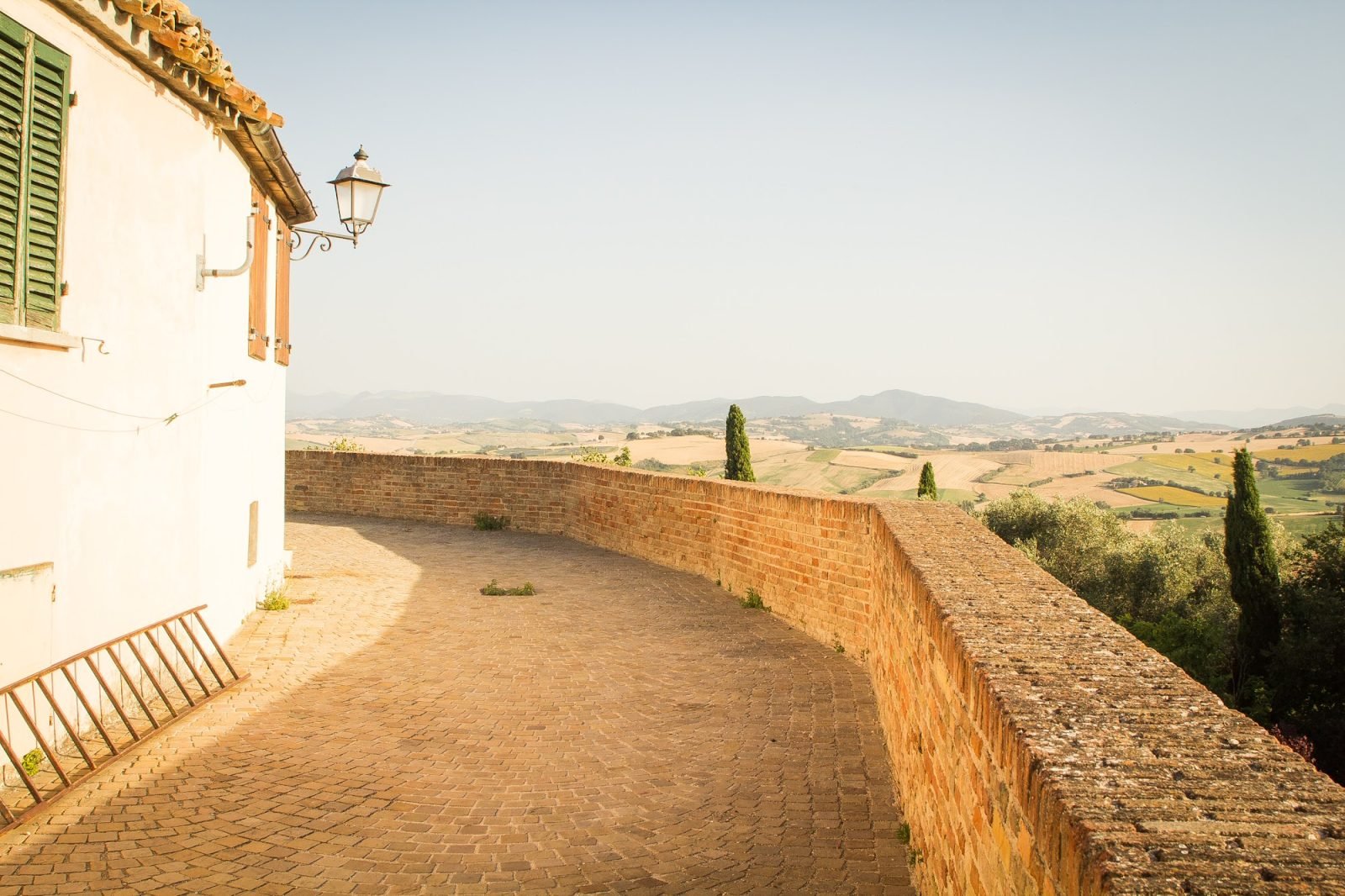
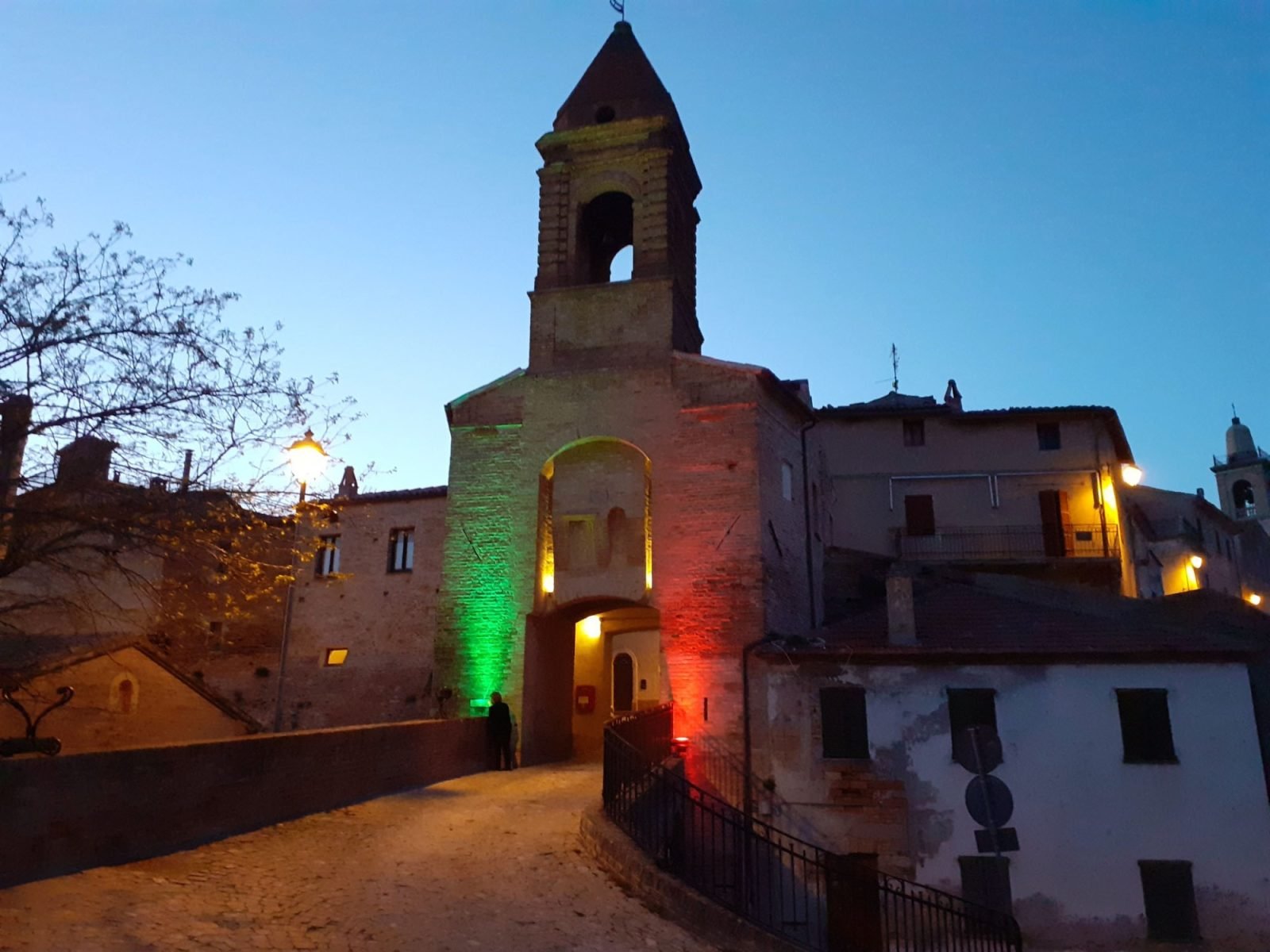
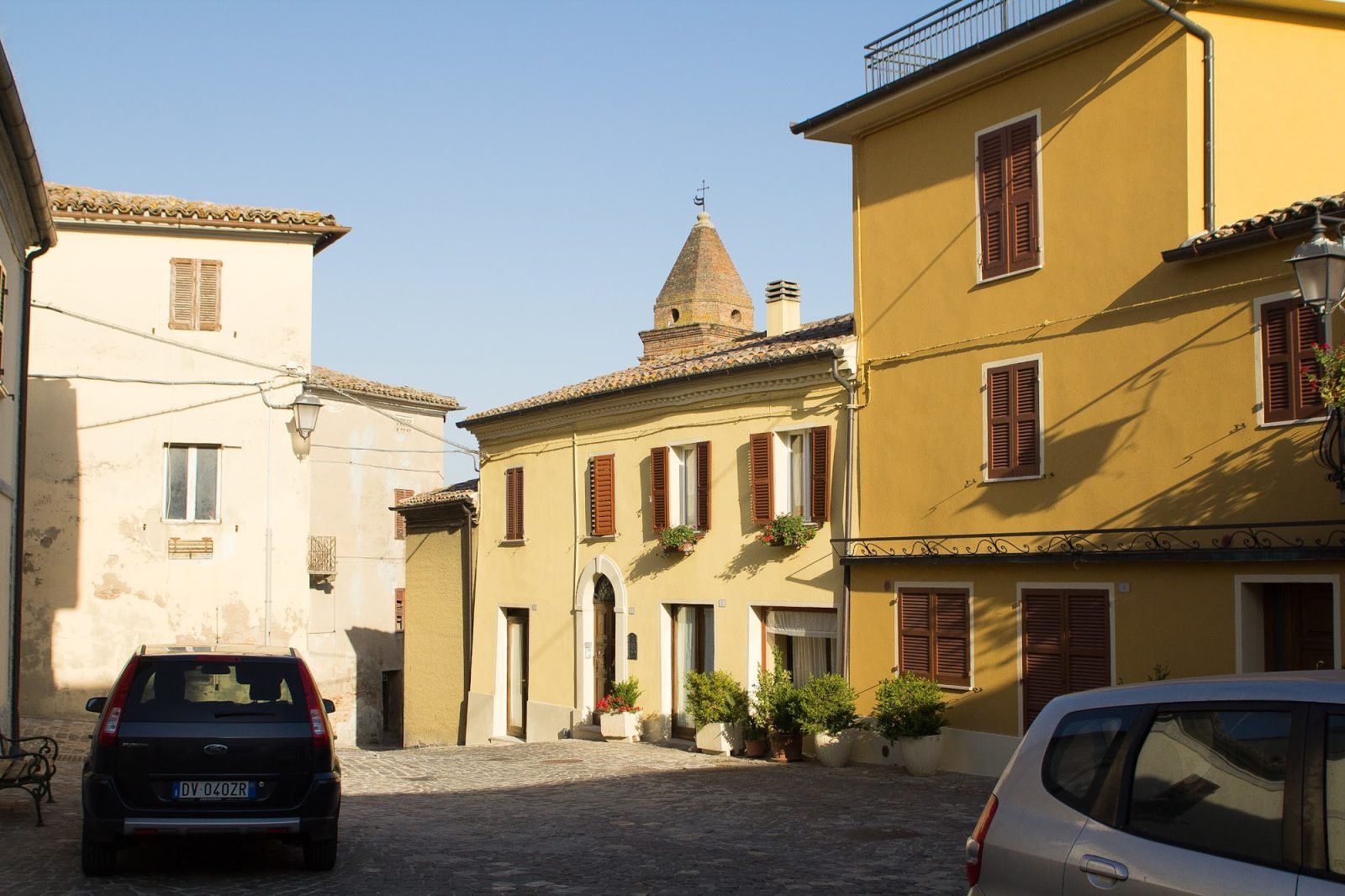
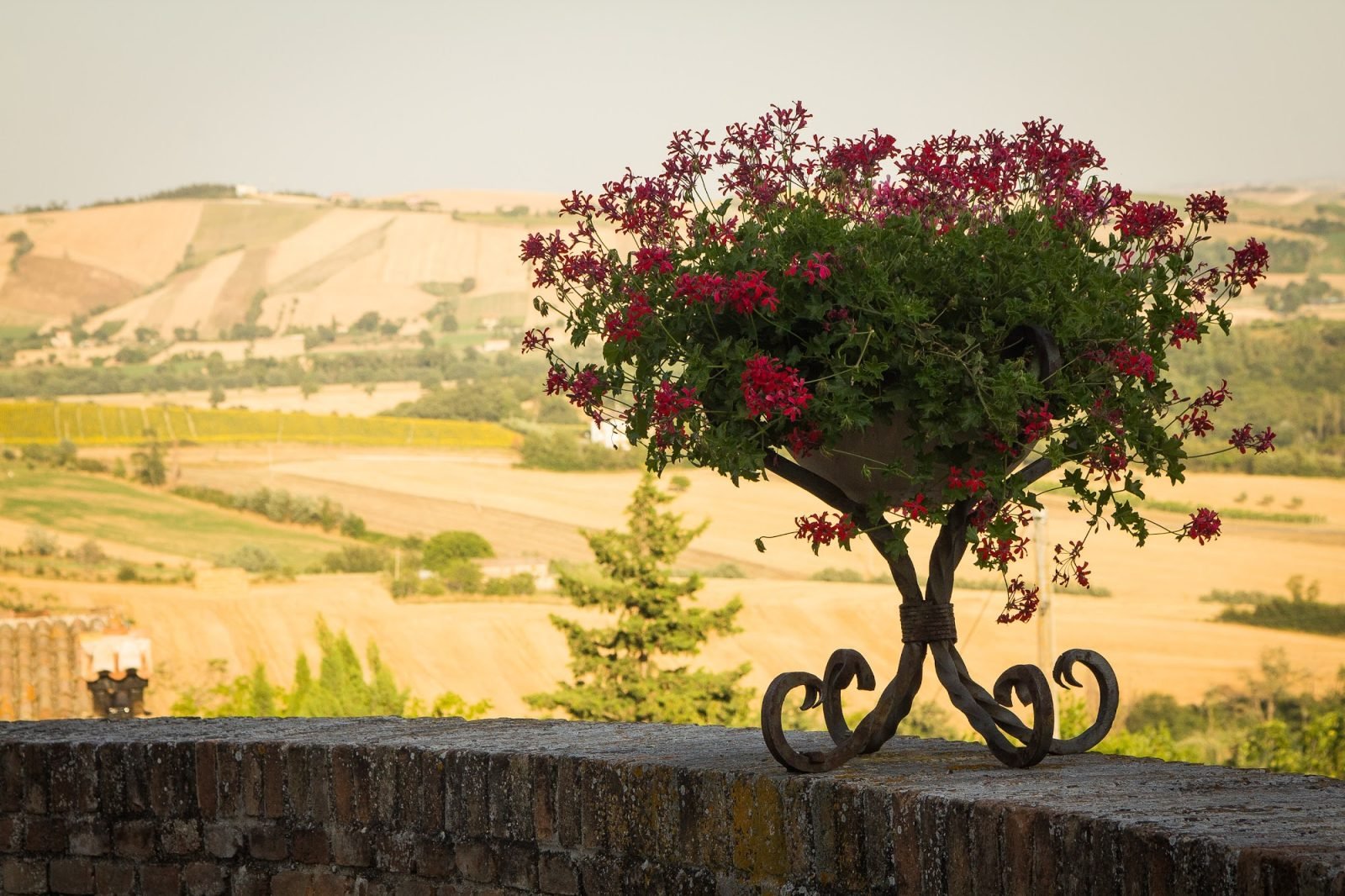
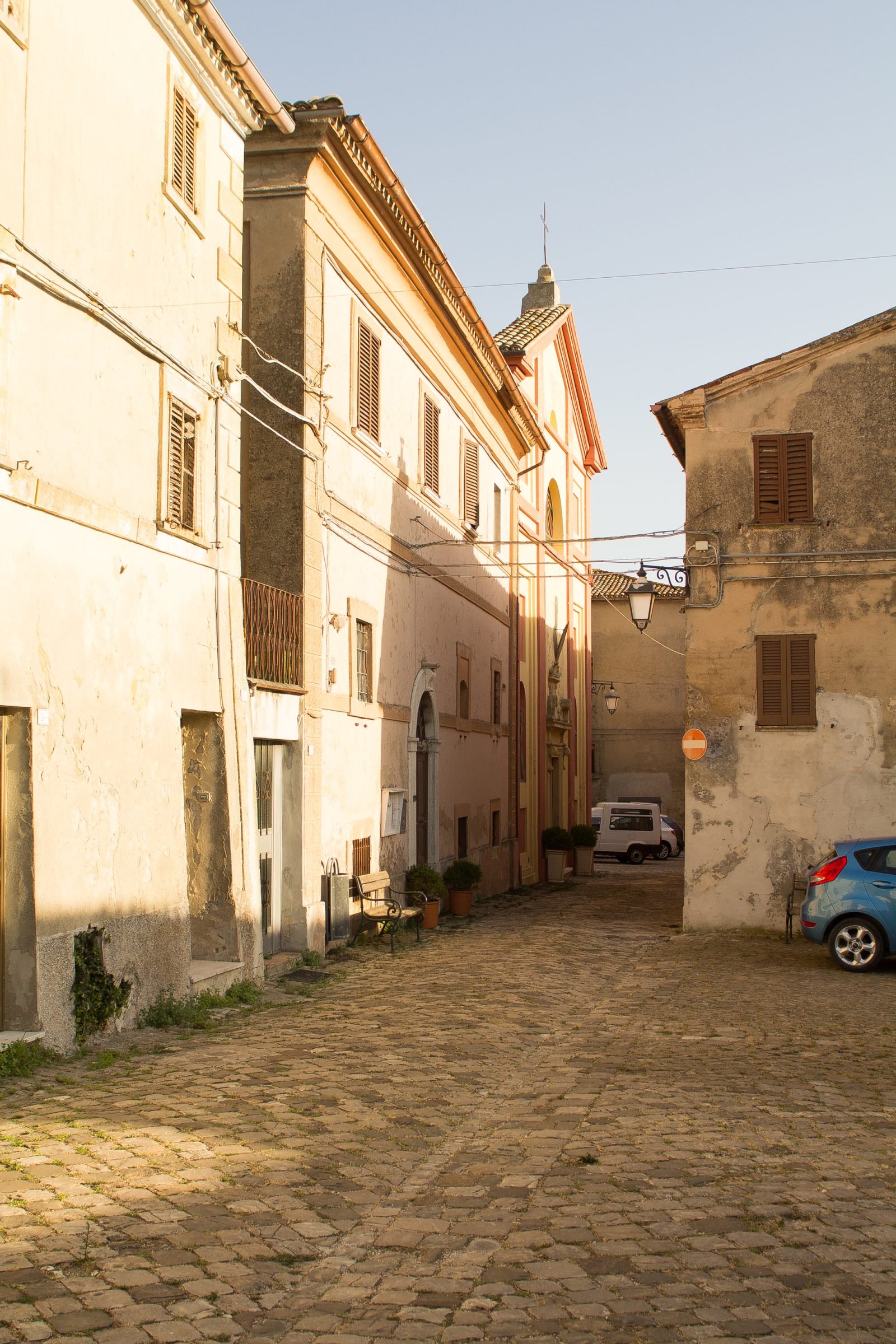
Photos by James Conrad Baker and the house archive; some historic and village images come from material collected locally over the years. If a photo is yours and you want credit or removal, let us know in the village Facebook group.
Stay in Sant'Andrea
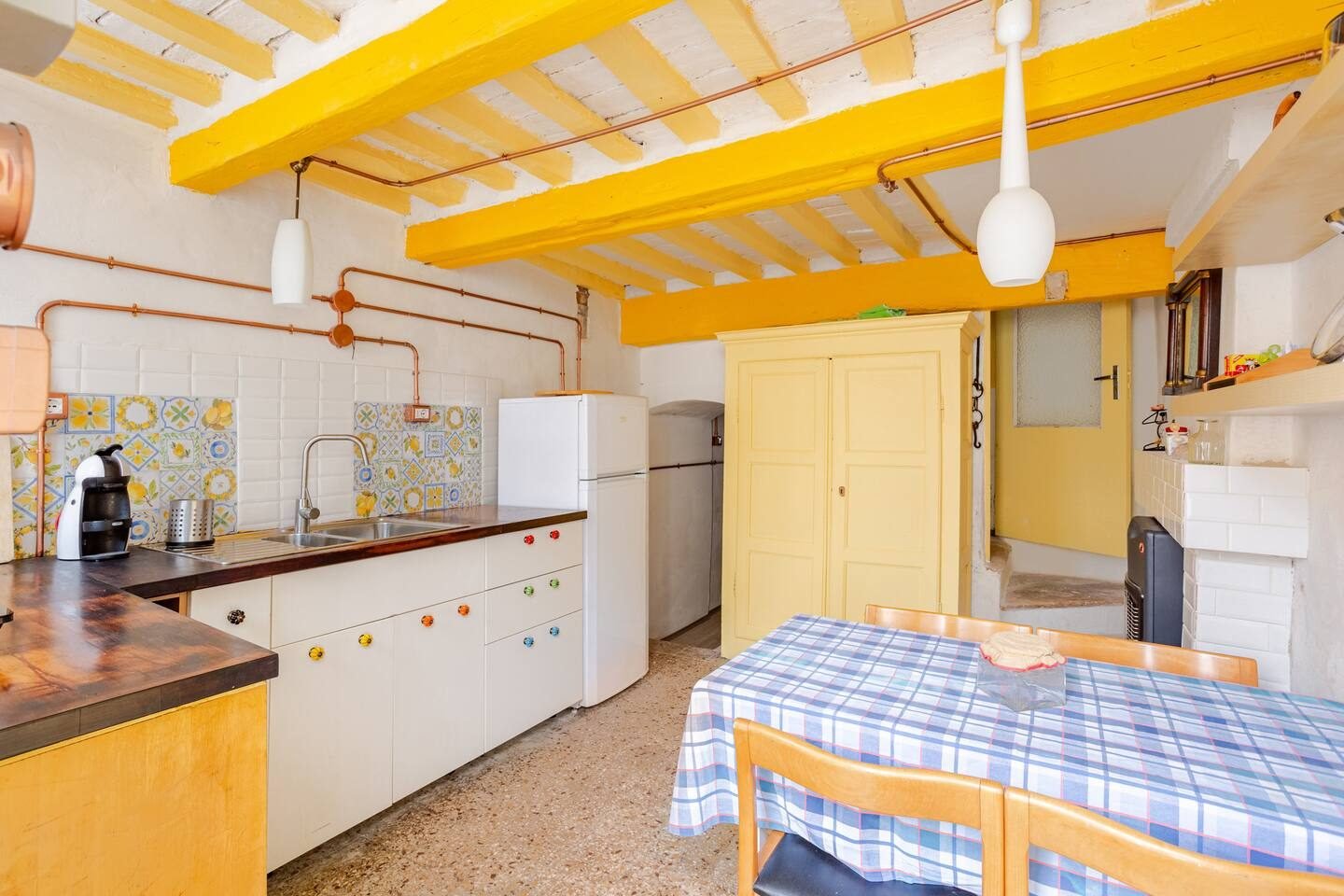
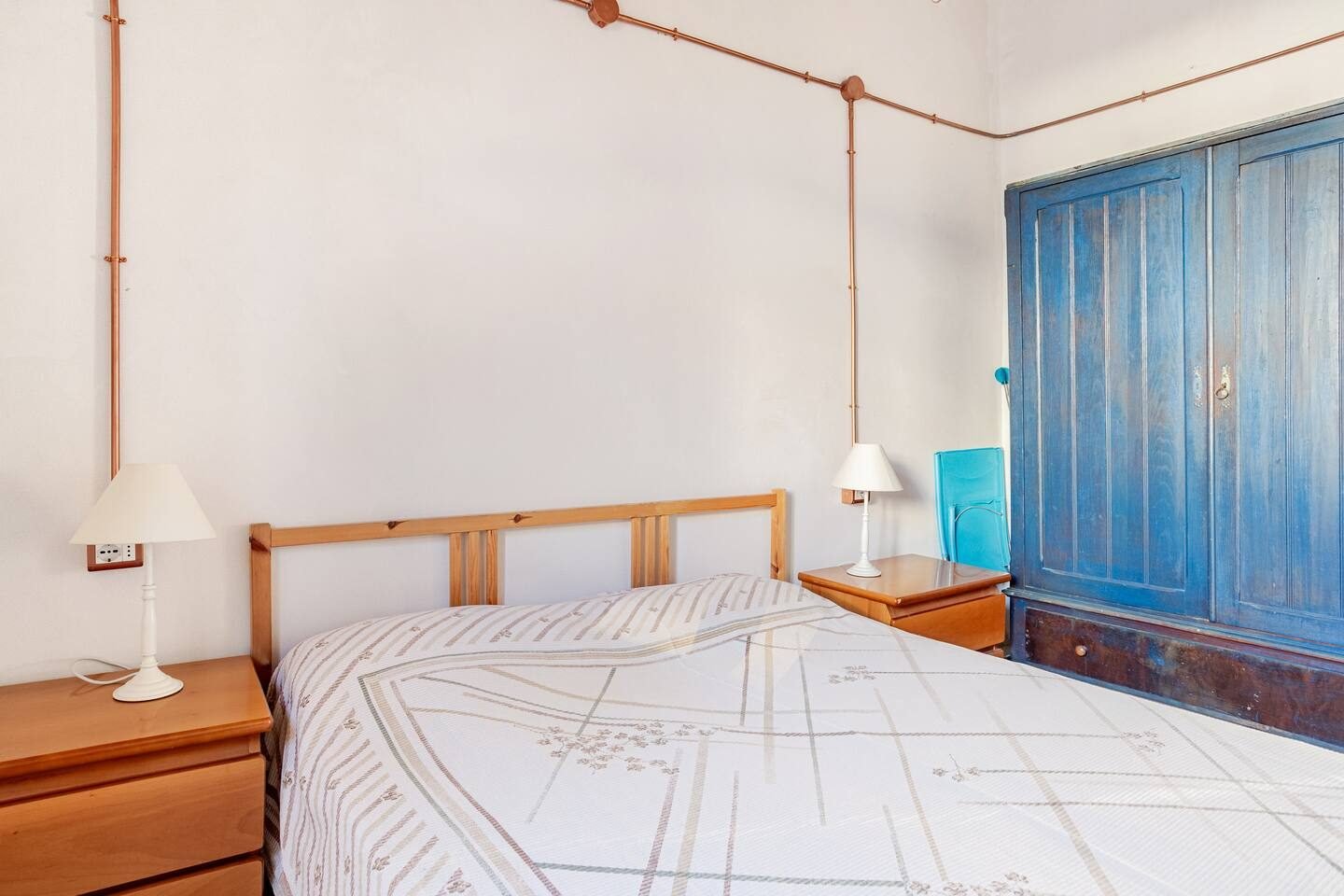
A panoramic house for two, with one entrance on the main street and one on the walk along the walls. In the evening the village comes alive in the village tavern; all around are villages, farm stays and wineries to discover.
The community
Since 2009 the Facebook group “Sant'Andrea di Suasa e Pianaccio” has brought together the online community of residents and friends of the village; the Pro Suasa association brings the village to life with the Festa del Nino and the year's events.
Thanks to the Associazione Pro Suasa and the people behind the Festa del Nino, to the admins and members of the group “Sant'Andrea di Suasa e Pianaccio”, and to everyone who has collected photos, maps and documents about the village over the years. To learn more, read the original sources.
Village photos by James Conrad Baker; house photos from the listing. Historic images from the archive collected locally. Castle plan drawn from © OpenStreetMap contributors data. Have photos, memories or a correction? Share them in the village group.